



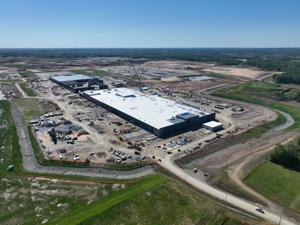
TLDR: North Carolina aims to establish itself as a key player in the battery manufacturing sector by 2026, known as the "Battery Belt." However, slow factory construction due to supply chain issues and regulatory challenges raises concerns about meeting growing demand amid competition from other states and countries.
In recent years, North Carolina has been at the forefront of a significant industrial shift, promising to become a vital hub in the battery manufacturing sector. This initiative, often referred to as the “Battery Belt,” aims to harness the growing demand for electric vehicles and renewable energy storage solutions. However, as we approach 2026, questions arise regarding the actualization of these ambitious plans and the establishment of new factories.
The concept of the Battery Belt is to create a network of facilities that can supply the necessary components and materials for electric vehicle batteries. North Carolina has been actively courting major players in the industry, including global giants and startups focused on clean energy. The state has already made significant investments in infrastructure and workforce training to support this burgeoning sector.
Despite the promising outlook, the timeline for the construction of new factories has not been as swift as anticipated. Several factors contribute to the slow pace, including supply chain disruptions and regulatory hurdles. Industry experts point out that while the state has attracted investments, the actual rollout of manufacturing facilities is lagging behind projections. This raises concerns about whether North Carolina can meet the growing demands of the battery market by 2026.
Moreover, the competition from other states and countries cannot be overlooked. States like Michigan and Texas are also vying for their share of the electric vehicle manufacturing pie, and countries in Asia are ramping up their production capabilities. North Carolina’s ability to maintain its competitive edge will depend on its continued investment in technology and workforce development.
As we look ahead, the success of North Carolina’s Battery Belt initiative will hinge not only on attracting investments but also on fostering innovation and collaboration within the industry. The state's commitment to sustainability and job creation will play a crucial role in determining its position in the global battery manufacturing landscape.
In summary, while North Carolina has grand ambitions of becoming a leader in battery technology, the path forward is fraught with challenges. The state must navigate various obstacles to ensure that the promised factories become a reality, paving the way for a sustainable future in energy production.
Please consider supporting this site, it would mean a lot to us!
