



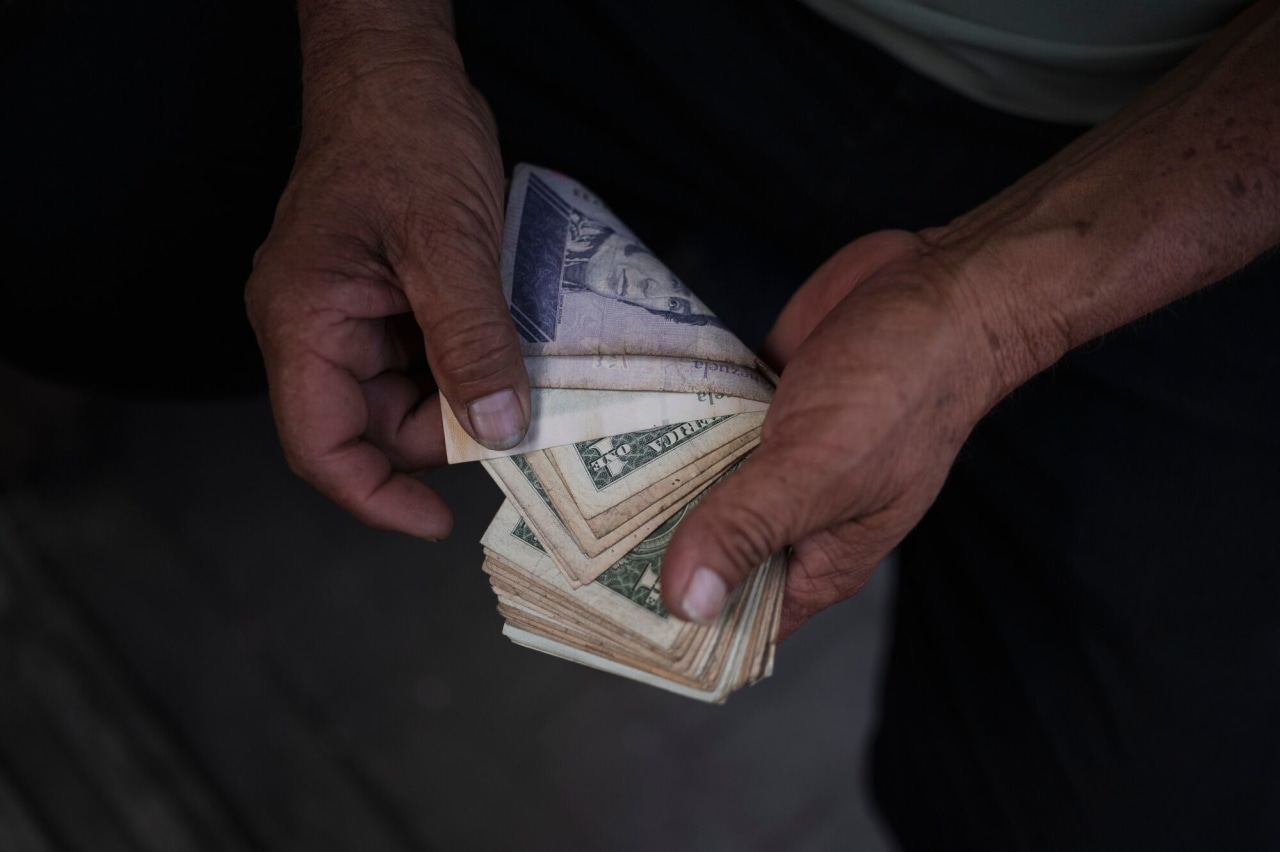
TLDR: Remittances from U.S. bank accounts to Venezuelan households are crucial amid Venezuela's economic crisis. Utilizing digital platforms and informal channels, families navigate complex financial systems to transfer funds, often converting them to more stable currencies like the U.S. dollar, despite government restrictions.
In recent years, the flow of funds from U.S. bank accounts to households in Venezuela has garnered attention, highlighting the intricate mechanisms that facilitate this transfer. With the ongoing economic crisis in Venezuela, many families rely on remittances from abroad to survive, making the journey of money from the United States particularly vital.
The process typically begins when a sender in the U.S. initiates a transfer, often using a digital platform. These platforms have emerged as crucial intermediaries, providing a user-friendly interface for transferring funds quickly and securely. Once the money is sent, it often goes through various financial institutions and networks, including money transfer operators, banks, and sometimes even cryptocurrency exchanges, which can offer lower fees and faster transactions.
Upon reaching Venezuela, the funds may be converted into the local currency, the bolívar, which has experienced significant devaluation. This conversion process is vital, as the value of the bolívar fluctuates wildly due to hyperinflation. Consequently, many Venezuelans prefer to receive remittances in foreign currencies, such as the U.S. dollar, which has become more stable and desirable.
Despite the challenges posed by the Venezuelan government’s regulations and restrictions on foreign currency transactions, the demand for remittances remains high. Many Venezuelans utilize informal channels to access these funds, circumventing official banking systems to ensure they can support their families amid economic hardships.
In summary, the journey of money from U.S. bank accounts to Venezuelan households is a complex but essential process. It not only reflects the resilience of families striving to support one another during tough times but also underscores the adaptability of financial systems in response to dire economic circumstances. As the situation in Venezuela evolves, the methods of transferring funds will likely continue to adapt, ensuring that support can reach those in need.
Please consider supporting this site, it would mean a lot to us!
