



TLDR: Homeowners can reduce energy costs and enhance sustainability by strategically landscaping with trees, shrubs, and native plants. Proper placement of these elements can lower heating and cooling expenses, improve comfort, and contribute to environmental health through features like green roofs and permeable pavements.
In the quest for sustainability and cost efficiency, homeowners are increasingly looking to their landscapes as a way to reduce energy costs. A well-planned landscape can significantly impact heating and cooling expenses, providing both aesthetic appeal and functional benefits. By strategically placing trees, shrubs, and other plants, homeowners can create natural barriers that shield their homes from harsh weather conditions.
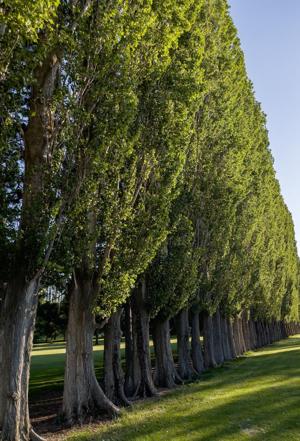
One of the most effective methods involves using shade trees to reduce the amount of sunlight that reaches a home during the hot summer months. When positioned correctly, these trees can lower indoor temperatures, thereby reducing the need for air conditioning and leading to substantial energy savings. In winter, evergreen trees can act as windbreaks, preventing cold winds from penetrating the home and decreasing heating costs.
In addition to trees, the placement of shrubs and other vegetation plays a crucial role. By planting shrubs around the foundation of a home, homeowners can create an insulating barrier that helps maintain desired indoor temperatures. This not only enhances comfort but also contributes to decreased energy bills.
Furthermore, incorporating native plants into landscaping can lead to lower maintenance costs and reduced water usage, further supporting an energy-efficient environment. Native plants are adapted to local climates and require less water and fertilizer, making them an excellent choice for eco-conscious homeowners.
Moreover, landscape design can also include features such as green roofs and permeable pavements, which help manage stormwater and reduce the urban heat island effect. These innovative designs not only contribute to energy savings but also promote a healthier environment.
In conclusion, enhancing your landscape is more than just an aesthetic endeavor—it's a practical investment that can lead to significant energy savings. By carefully selecting and placing trees, shrubs, and other plants, homeowners can create a more comfortable living space while also contributing to environmental sustainability. A well-designed landscape truly has the potential to cut energy costs and improve overall quality of life.
Please consider supporting this site, it would mean a lot to us!
