



TLDR: Tensions in Afghanistan's Badakhshan province escalated between residents and a gold mining company, resulting in the deaths of four individuals. Local grievances over environmental degradation and inadequate compensation sparked violent confrontations, prompting calls for government investigation and a more inclusive approach to resource management.
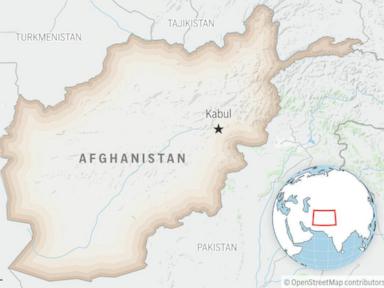
In a troubling incident in Afghanistan, tensions escalated between local residents and a gold mining company, resulting in the tragic deaths of four individuals. The clashes took place in a mining area in the northeastern province of Badakhshan, where long-standing grievances over land and resource management have come to a head.
Residents expressed their frustration over the mining operations, claiming that the company’s activities have led to environmental degradation and disrupted their livelihoods. The mining company, which has been operating in the region, has faced accusations of not adequately addressing the concerns of the local population and failing to provide fair compensation for land use.
Eyewitness accounts describe a chaotic scene as residents confronted the company’s workers, leading to violent confrontations. The situation escalated quickly, culminating in the deaths of four people, which has sparked outrage and calls for justice from community leaders and activists.
The Afghan government has been urged to investigate the incident thoroughly and to hold accountable those responsible for the violence. The ongoing conflict highlights the broader issues of resource management and the need for sustainable practices that respect both the environment and the rights of local communities.
As Afghanistan continues to grapple with economic challenges, the extraction of natural resources has become a contentious issue. This incident serves as a stark reminder of the potential human cost of mining operations, especially when local voices are overlooked in the pursuit of profit.
Community leaders are advocating for a more inclusive approach to resource management that prioritizes the well-being of residents and ensures that their needs are met. The incident has also raised questions about the role of foreign investment in Afghanistan's mining sector and its implications for peace and stability in the region.
In light of this tragic event, it is essential for all stakeholders involved, including the government, mining companies, and local communities, to engage in dialogue and develop strategies that promote sustainable development and social equity. The path forward will require careful consideration of the interests of all parties, aiming for a balance that protects both the environment and the rights of those who call these regions home.
As discussions continue, the hope remains that this incident can serve as a catalyst for change, leading to more responsible mining practices that align with the principles of social justice and environmental stewardship.
Please consider supporting this site, it would mean a lot to us!
