



TLDR: Recent research reveals that microbubbles enhance the spread of microplastics in water systems, posing significant threats to aquatic life and human health. The findings underscore the urgent need for improved strategies to combat microplastic pollution to protect ecosystems and public health.
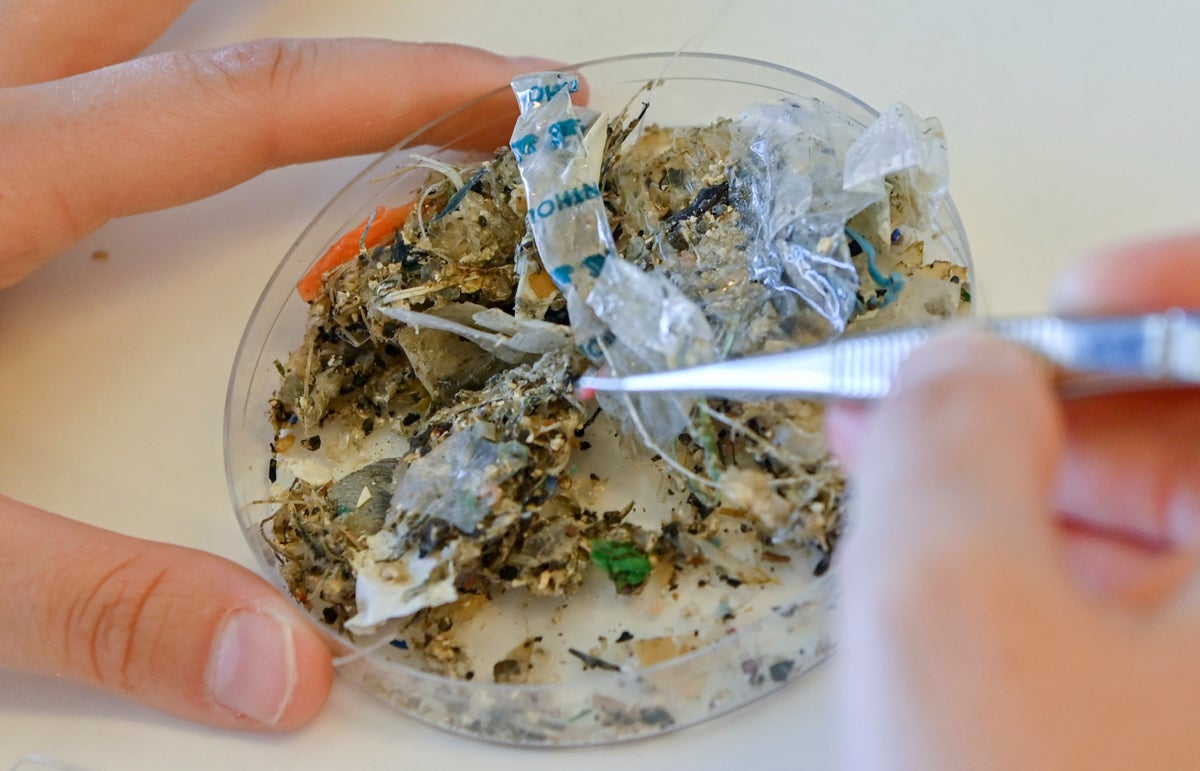
Recent research has uncovered a concerning link between microplastics and microbubbles in our water systems, highlighting the potential dangers posed by these tiny particles. Microplastics, which originate from various sources such as the breakdown of larger plastic items and synthetic fibers from clothing, are increasingly prevalent in our environment. They have been detected in oceans, rivers, and even drinking water, raising alarm among scientists and health experts alike.
The study reveals that microbubbles, which are gas-filled bubbles measuring just a few micrometers in diameter, can significantly enhance the distribution of microplastics in water. These microbubbles have the unique ability to attach to microplastic particles, effectively transporting them through aquatic ecosystems. The research indicates that when microbubbles are present, microplastics are more likely to spread and become more widely dispersed in water bodies.
This phenomenon poses a serious threat to aquatic life, as many organisms ingest these particles, mistaking them for food. As microplastics accumulate in the food chain, they can lead to harmful effects on marine species and ultimately impact human health as well. The study emphasizes the urgent need for further research to understand the implications of microbubbles and microplastics on the environment and public health.
Moreover, the findings suggest that addressing the issue of microplastic pollution requires a multifaceted approach. Strategies could include reducing plastic usage, improving waste management systems, and enhancing water treatment processes to minimize the entry of microplastics into our water systems. As awareness of the dangers of plastic pollution continues to grow, it is crucial for policymakers, researchers, and the public to collaborate in finding effective solutions to this pressing problem.
In conclusion, the interaction between microbubbles and microplastics represents a significant challenge in environmental science. With their ability to facilitate the spread of microplastics, microbubbles could exacerbate the already critical issue of plastic pollution in our waterways. Addressing this concern is vital for the preservation of aquatic ecosystems and the health of all living organisms that rely on clean water.
Please consider supporting this site, it would mean a lot to us!
