



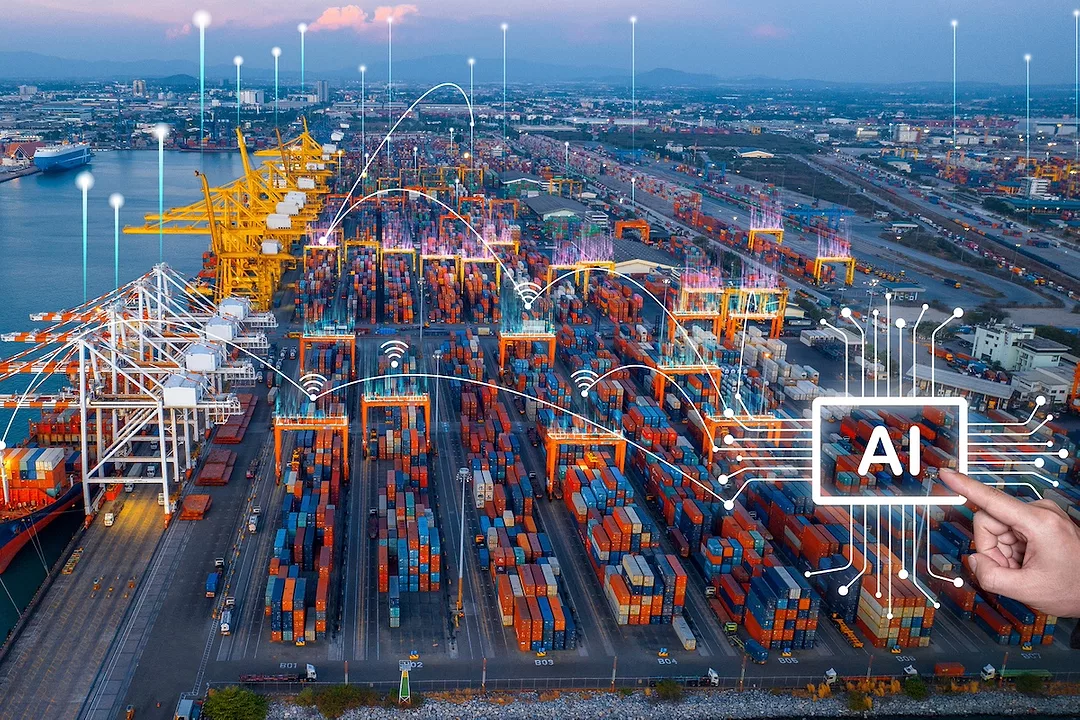
TLDR: AI is transforming supply chain management by enhancing decision-making, streamlining operations, and automating routine tasks. While it empowers planners with data-driven insights, challenges include ensuring data quality and addressing employee concerns about job security. Emphasizing AI as a supportive tool can foster a more efficient and responsive supply chain.
As the landscape of supply chain management evolves, the integration of Artificial Intelligence (AI) is proving to be a game-changer. Companies are increasingly leveraging AI as a co-pilot for supply chain planners, enabling them to enhance decision-making processes and streamline operations.
AI technologies assist planners by providing insights derived from vast amounts of data. These systems can analyze complex patterns and trends, allowing professionals to anticipate disruptions and respond proactively. By utilizing predictive analytics, planners can better manage inventory levels, optimize logistics, and improve overall efficiency in the supply chain.
One of the significant advantages of employing AI in supply chain management is its ability to reduce manual tasks. For instance, routine data entry and analysis can be automated, freeing up planners to focus on strategic tasks that require human insight and creativity. This shift not only boosts productivity but also enhances job satisfaction among employees who can engage in more meaningful work.
Moreover, the collaborative nature of AI tools means that they can be used in tandem with human expertise. This partnership allows for a more dynamic approach to problem-solving, where planners can leverage AI-generated insights while applying their industry knowledge and experience. By acting as a co-pilot, AI empowers planners to make informed decisions rapidly, adapting to market changes and consumer demands effectively.
However, the integration of AI is not without challenges. Companies must ensure that their data is accurate and relevant, as AI systems rely heavily on quality input to produce reliable outputs. Additionally, there may be resistance from employees who fear that AI could replace their roles. It is critical for organizations to foster a culture that embraces AI as a supportive tool rather than a substitute for human intelligence.
In conclusion, the role of AI as a co-pilot for supply chain management is becoming increasingly vital. By enhancing efficiency, improving decision-making, and alleviating the burden of routine tasks, AI is poised to transform the industry. As businesses navigate this transition, the focus should remain on leveraging AI's capabilities to complement human expertise, ultimately leading to a more resilient and responsive supply chain.
Please consider supporting this site, it would mean a lot to us!
