



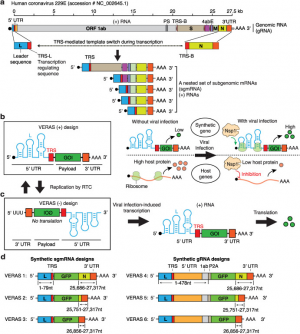
TLDR: Researchers have developed an engineered RNA sensor that detects and neutralizes the coronavirus within living cells, potentially revolutionizing viral infection management. This technology activates cellular antiviral defenses, may adapt to various viruses, and could enhance personalized medicine, offering hope for effective treatments against emerging viral threats.
Researchers have made a significant advancement in the fight against viruses with the development of an innovative engineered RNA sensor capable of detecting and combating the coronavirus within living cells. This groundbreaking technology takes a proactive approach by not only identifying the presence of the virus but also targeting and neutralizing it, which could potentially revolutionize the way we manage viral infections.
The engineered RNA sensor operates by utilizing a sophisticated design that allows it to recognize specific viral RNA sequences. Upon detection, the sensor prompts a cellular response that activates antiviral defenses. This dual-action mechanism is vital, as it enables the sensor to act swiftly in response to viral threats, potentially reducing the severity of infections and improving recovery outcomes.
One of the most remarkable aspects of this technology is its ability to work within living cells, which presents a significant advantage over traditional antiviral strategies that often rely on external medications. By deploying the sensor directly inside the cells, researchers can harness the cellular machinery to effectively target the virus at its source, minimizing collateral damage to healthy cells.
The implications of this research are vast, especially given the ongoing challenges posed by emerging viral strains. The team behind this innovation envisions that the RNA sensor could be adapted for various viruses, making it a versatile tool in the realm of viral infections treatment. This adaptability could greatly enhance public health responses to outbreaks and pandemics.
Furthermore, the engineering of this RNA sensor raises intriguing possibilities for future applications in gene therapy and personalized medicine. It paves the way for developing tailored treatments that could be customized to individual patients' needs, enhancing the effectiveness of therapies.
As the research progresses, the scientists are optimistic about the potential to translate these findings into clinical settings. With ongoing studies and trials, the prospect of deploying the engineered RNA sensor in real-world scenarios could be on the horizon, offering hope in the ongoing battle against viral diseases, including COVID-19.
In conclusion, the engineered RNA sensor represents a cutting-edge advance in the field of biotechnology and has the potential to significantly alter our approach to managing viral infections. This innovation highlights the importance of continued research and investment in novel therapeutic strategies as we strive to combat the ever-evolving landscape of infectious diseases.
Please consider supporting this site, it would mean a lot to us!
