



TLDR: Recent advancements in cancer treatment focus on engineering natural killer (NK) cells to enhance their ability to detect and destroy tumors. Genetic modifications and CRISPR technology are being used to improve NK cell effectiveness, with promising results from clinical trials suggesting a potential shift towards personalized cancer therapies.
Recent advancements in the field of cancer treatment are shining a light on the potential of cancer immunotherapy, specifically through the engineering of natural killer cells (NK cells). Researchers are exploring innovative ways to enhance the capabilities of these immune cells, which play a vital role in identifying and attacking cancerous cells in the body.
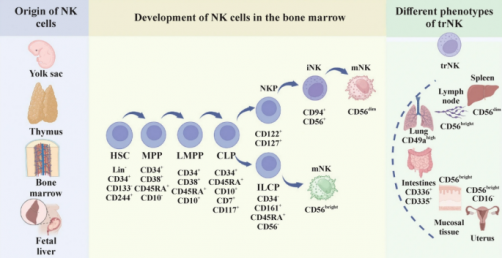
Natural killer cells are a crucial component of the immune system, known for their ability to detect and eliminate tumor cells without prior sensitization. By harnessing and modifying these cells, scientists aim to improve their effectiveness against various types of cancers. The engineering process involves augmenting the cells' functionality, enabling them to target and destroy malignant cells more efficiently.
One of the most promising approaches in this area involves the use of genetic modification techniques. By altering the genetic makeup of NK cells, researchers can enhance their persistence in the body and boost their cytotoxicity—the ability to kill cancer cells. This not only increases the effectiveness of the treatment but may also lead to longer-lasting responses in patients.
Furthermore, the integration of advanced technologies such as CRISPR gene editing has opened new avenues for refining NK cell therapies. This technique allows for precise modifications at the genetic level, facilitating the development of customized treatments tailored to individual patients' tumor profiles.
Clinical trials are already underway to evaluate the safety and efficacy of engineered NK cells in treating various cancers. Early results have shown promising outcomes, suggesting that this innovative approach could significantly reshape the landscape of cancer care. As research continues to progress, the hope is that engineered NK cells will become a cornerstone of cancer treatment, offering new hope to patients and potentially leading to better survival rates.
This shift towards personalized cancer therapies highlights the importance of ongoing research and collaboration across various scientific fields. As the understanding of cancer immunology deepens, the future of cancer treatment looks increasingly optimistic, with engineered natural killer cells poised to play a transformative role in the fight against cancer.
Please consider supporting this site, it would mean a lot to us!
