



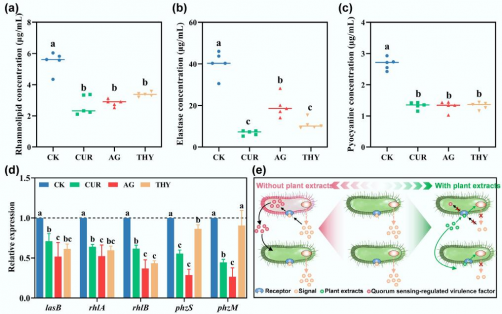
TLDR: Recent research suggests that plant-derived compounds can effectively reduce pathogens and antibiotic resistance in manure-treated soils, offering an eco-friendly alternative to traditional methods. These compounds enhance soil health and food safety, aligning with the demand for sustainable agriculture while minimizing synthetic chemical use.
Recent research highlights the potential of plant-derived compounds as an eco-friendly solution to combat pathogens and antibiotic resistance in soils treated with manure. With the growing concerns over antibiotic resistance and its impact on public health, finding sustainable alternatives is crucial. The study emphasizes that traditional methods of managing manure often lead to increased pathogen prevalence and antibiotic-resistant bacteria in agricultural soils.
The investigation focused on natural compounds extracted from various plants that have shown efficacy in reducing the survival of harmful microorganisms in soil environments. These compounds can serve as a biopesticide strategy, providing a dual benefit of enhancing soil health while minimizing reliance on synthetic chemicals. The research underscores the importance of integrating these sustainable agricultural practices into current farming techniques to promote better food safety and environmental stewardship.
One of the key findings is that these plant-based solutions can effectively lower pathogen loads, thereby mitigating the risk of transferring antibiotic resistance to humans through the food chain. This outcome is particularly significant as it addresses a critical gap in food safety and public health. Using natural remedies not only supports the ecosystem but also aligns with the increasing consumer demand for organic and sustainably-produced food.
As agriculture continues to evolve, the integration of plant-derived compounds could represent a pivotal shift towards greener practices. The research advocates for further studies to explore the full range of benefits these compounds offer and how they can be optimized for effective use in various soil types and agricultural systems. In conclusion, harnessing the power of plants may pave the way for innovative strategies to ensure a healthier environment and a safer food supply.
Please consider supporting this site, it would mean a lot to us!
