



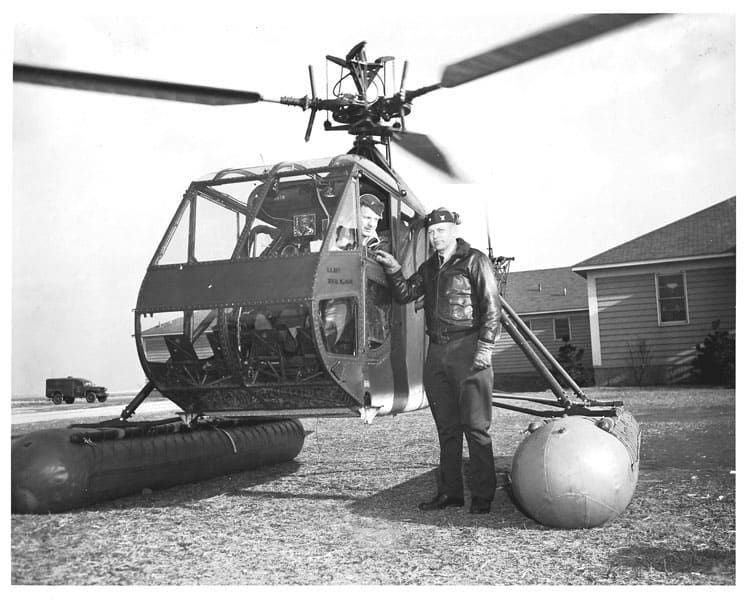
TLDR: On January 3, 1944, helicopters were first used for medical evacuations, revolutionizing rescue operations during World War II. Their ability to hover and land in tight spaces significantly improved the chances of survival for injured soldiers, paving the way for modern emergency medical services.
On January 3, 1944, a significant milestone in aviation history occurred when helicopters were utilized in a groundbreaking way as life-saving tools. This date marks the first time helicopters were employed for medical evacuations, showcasing their potential to save lives in emergency situations. The introduction of this innovative use of helicopters transformed the landscape of rescue operations and paved the way for future developments in aviation and medical transport.
The event that led to this pivotal moment was a daring rescue mission during World War II. As U.S. forces faced increasing casualties, the need for rapid evacuation of injured soldiers became paramount. Traditional methods of transport were often slow and dangerous, leading to a search for more efficient solutions. Enter the helicopter, a relatively new technology at the time, which soon proved to be indispensable in battlefield medical care.
Helicopters offered an unparalleled advantage: their ability to hover and land in tight spaces made it possible to reach injured personnel who were otherwise inaccessible. This capability not only reduced the time it took to get wounded soldiers to medical facilities but also significantly improved their chances of survival. The success of these early missions demonstrated that helicopters could serve a critical role beyond their initial military applications.
As the years progressed, the use of helicopters in medical emergencies expanded beyond the battlefield. Today, they are integral to emergency medical services (EMS) around the world, providing rapid transport for patients in need of urgent care. Modern helicopters are equipped with advanced medical equipment, allowing for in-flight treatment and stabilization of patients before they reach the hospital.
The legacy of that day in 1944 continues to influence medical evacuations and emergency response strategies. With ongoing advancements in technology, helicopters remain at the forefront of life-saving operations, adapting to the needs of modern medicine and emergency management. As we reflect on this historical achievement, it’s clear that the helicopter's role as a life-saving tool is firmly established and continues to evolve.
This moment in history serves as a reminder of the innovative spirit that drives advancements in both aviation technology and healthcare, ultimately highlighting the importance of adapting new technologies to meet critical needs in society.
Please consider supporting this site, it would mean a lot to us!
