



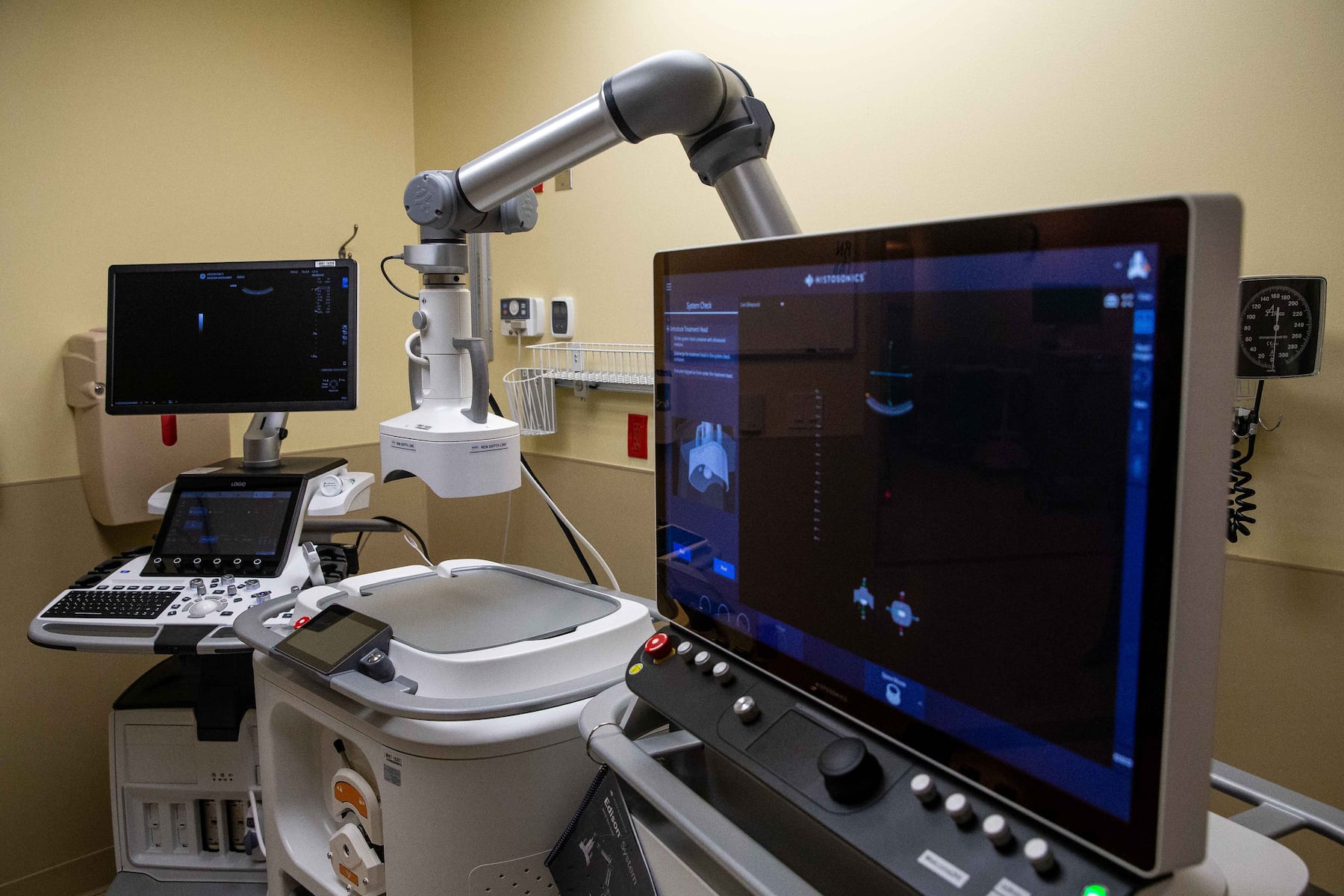
TLDR: The University of Michigan has launched a brain-computer interface clinic aimed at improving the lives of individuals with neurological disorders. This clinic focuses on developing personalized treatments, advancing research, and addressing ethical concerns related to neurotechnology, potentially transforming patient care and independence.
The University of Michigan has recently inaugurated a pioneering brain-computer interface clinic in Ann Arbor, marking a significant advancement in the field of neuroscience and technology. This innovative clinic aims to enhance the quality of life for individuals with neurological disorders through groundbreaking technology that facilitates direct communication between the brain and external devices.
The clinic's establishment is a part of a larger initiative to develop and improve neurotechnology applications. Researchers and clinicians at the facility are dedicated to exploring new ways to harness brain signals, which could lead to revolutionary treatments for conditions such as paralysis, stroke, and other debilitating neurological issues. By utilizing advanced algorithms and machine learning, the clinic aims to decode brain activity and translate it into actionable commands for assistive devices.
One of the key objectives of the clinic is to provide personalized treatment plans tailored to the unique needs of each patient. Through a combination of clinical assessments and cutting-edge technology, the team at the clinic strives to create customized solutions that enhance patient independence and mobility. The potential benefits extend beyond therapy, as the technology could also support individuals in engaging with their environments more effectively.
The clinic will also serve as a hub for ongoing research and collaboration, bringing together experts from various fields to advance the understanding and application of brain-computer interfaces. This interdisciplinary approach not only fosters innovation but also ensures that the latest findings in neuroscience are translated into practical solutions for patients.
In addition to its focus on therapeutic applications, the clinic is committed to raising awareness about the ethical implications and societal impacts of brain-computer interface technology. The team recognizes the importance of addressing issues related to privacy, consent, and access to these transformative technologies as they continue to evolve.
The opening of the brain-computer interface clinic at the University of Michigan represents a significant step forward in the integration of neuroscience and technology. By paving the way for innovative treatments and fostering a collaborative research environment, this clinic is poised to make a lasting impact on the lives of individuals with neurological disorders.
Please consider supporting this site, it would mean a lot to us!
