



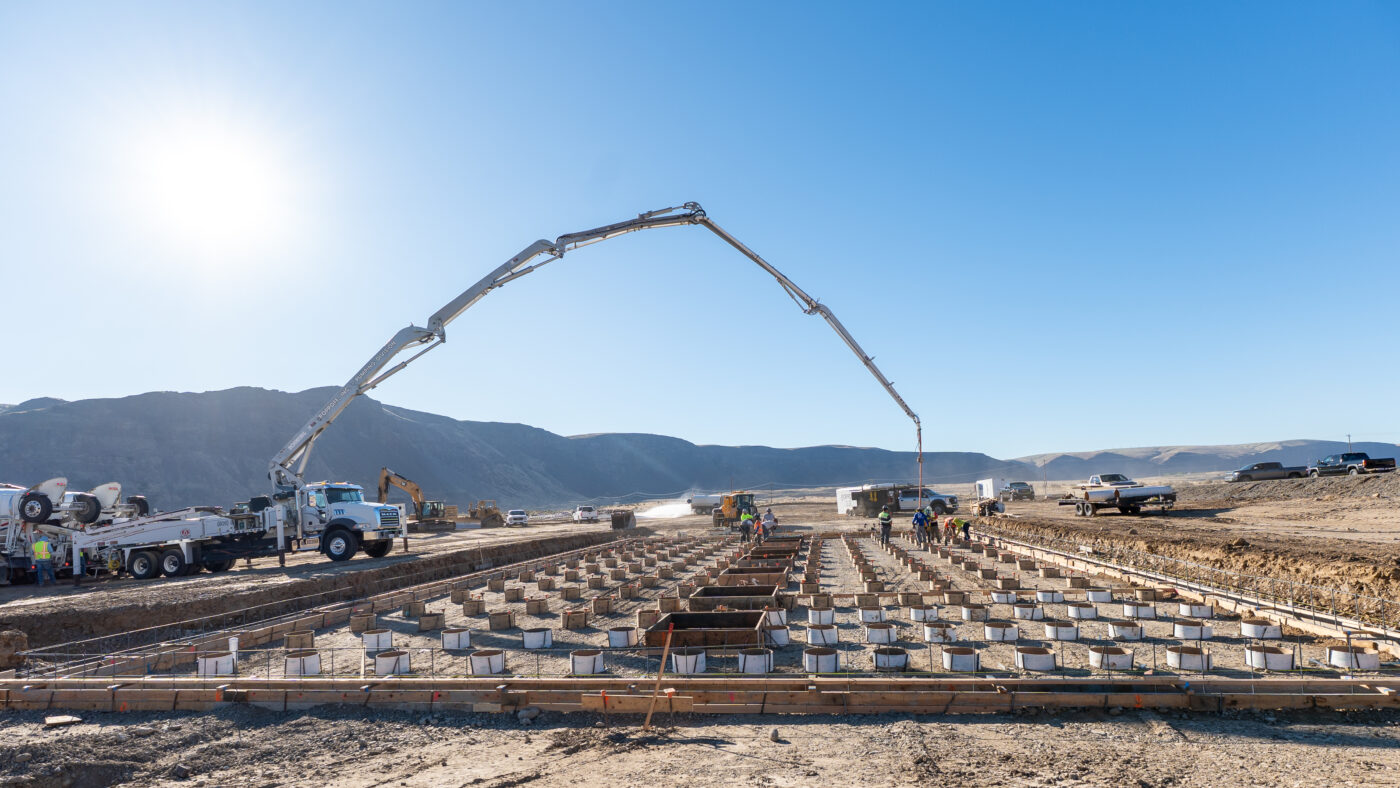
TLDR: Nuclear power in Washington is experiencing a resurgence, driven by initiatives like TerraPower's advanced reactors and small modular reactors (SMRs). With state support for clean energy, these innovations aim to enhance safety, efficiency, and adaptability, positioning nuclear as a key player in achieving climate goals despite ongoing challenges.
The landscape of nuclear power is undergoing significant changes in Washington, as various initiatives and projects heat up across the state. With the growing demand for clean energy, the focus on nuclear technology has intensified, leading to a resurgence of interest in new nuclear reactor designs and concepts. This shift aligns with the broader goals of reducing greenhouse gas emissions and transitioning to more sustainable energy sources.
One of the key players in this movement is TerraPower, a company co-founded by Bill Gates. They are developing advanced nuclear reactors that promise to be safer and more efficient than traditional models. Their innovative designs, such as the Natrium reactor, aim to combine nuclear energy with renewable sources, providing a reliable and flexible energy solution. This approach not only addresses the pressing need for energy security but also positions nuclear power as a critical component in the fight against climate change.
Moreover, Washington is also home to other initiatives, including plans for small modular reactors (SMRs). These compact reactors are designed to produce energy on a smaller scale, making them more adaptable to various energy needs. With their lower upfront costs and shorter construction times, SMRs could play a vital role in revitalizing the nuclear sector and meeting the energy demands of the future.
The support for nuclear power in Washington is further bolstered by state policies aimed at promoting clean energy. The commitment to decarbonizing the energy sector has led to increased funding and incentives for nuclear projects, reflecting a growing recognition of its potential. This environment is conducive to innovation and investment, fostering a climate where nuclear energy can thrive.
As these ventures gain momentum, the conversation around sustainable energy continues to evolve. Advocates argue that the advancements in nuclear technology could provide a stable and low-emission energy source, essential for meeting the state's climate goals. However, challenges remain, including public perception and regulatory hurdles, which must be addressed to fully realize the potential of nuclear power in Washington.
In conclusion, the future of nuclear energy in Washington appears promising, with several innovative projects on the horizon. As the state navigates its energy transition, the role of nuclear power will likely become increasingly vital in achieving a sustainable and resilient energy system.
Please consider supporting this site, it would mean a lot to us!
