



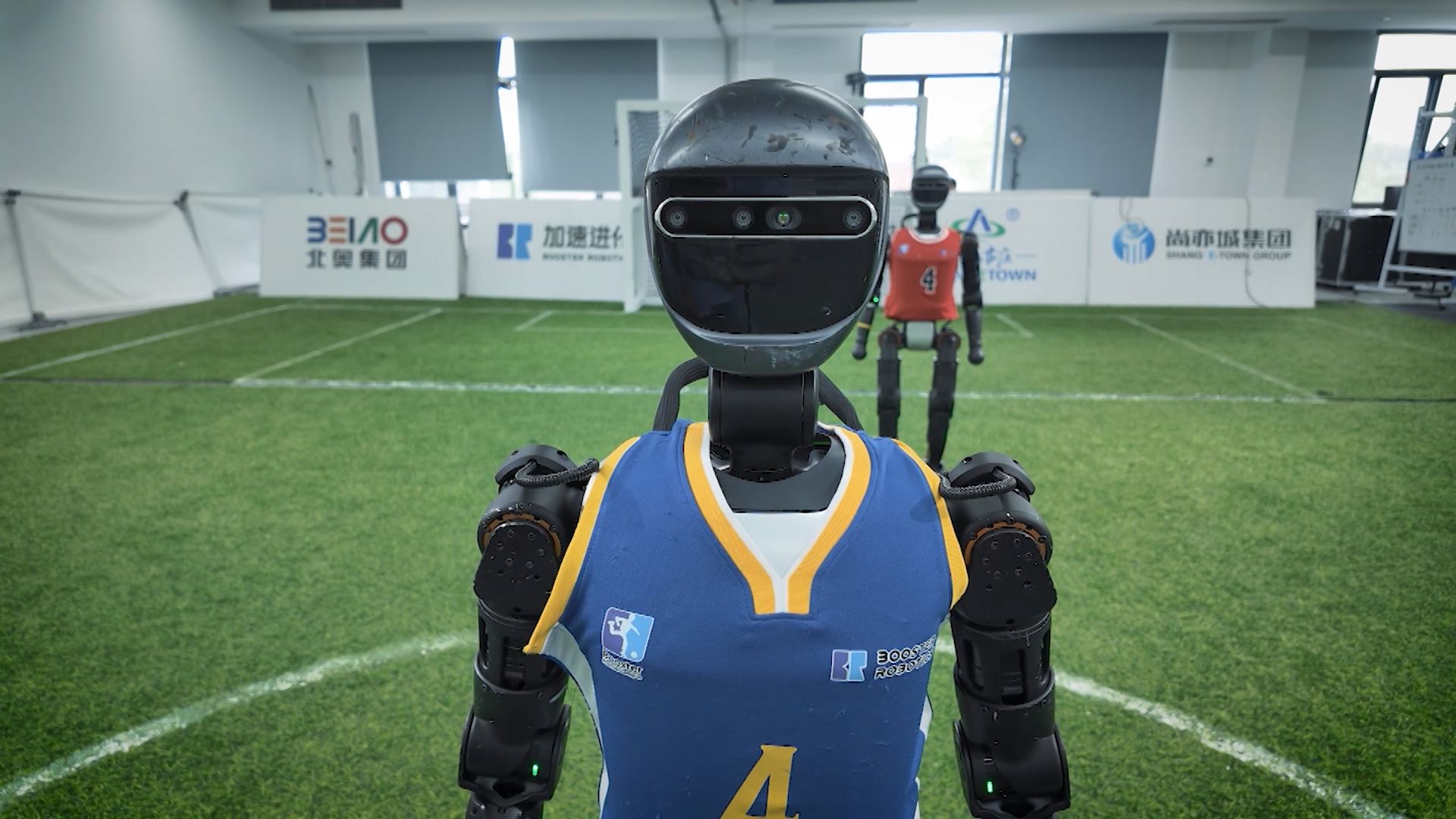
TLDR: Humanoid robots have debuted in sports competitions in China, showcasing their skills in various athletic disciplines. This development raises questions about the future of athletics, as these AI-powered robots learn and adapt, potentially redefining competition and sportsmanship in the 21st century.
In a groundbreaking development, humanoid robots have made their debut in the sports arena in China, showcasing their capabilities in various athletic disciplines. This remarkable integration of technology and sports has not only captivated audiences but also sparked discussions about the future of athletics and the role of robots in competitive environments.
The event featured a series of competitions where these advanced robots demonstrated their skills in sports such as running, basketball, and even soccer. The robots, designed with cutting-edge artificial intelligence and advanced engineering, displayed impressive agility and coordination, challenging the notion of human superiority in athletic performance. This innovation highlights the rapid advancements in robotics and AI technology and their potential applications beyond traditional settings.
Developers and engineers have emphasized that these robotic athletes are not merely programmed machines; they learn and adapt through deep learning algorithms, which allow them to optimize their performance over time. This learning capability opens doors to a new realm of training and competition, where robots could eventually compete alongside human athletes, raising questions about fairness and the essence of sportsmanship.
The event was not just a showcase of technological prowess but also a demonstration of the cultural shift towards embracing robotics in daily life. As China continues to lead in the development of AI and robotics, the implications of such events extend beyond entertainment, potentially influencing education, training, and even the future of competitive sports.
As the world watches these developments unfold, it is clear that the intersection of technology and athletics presents both challenges and opportunities. The rise of AI and robotics in sports may redefine athleticism and competition, prompting society to reconsider what it means to be an athlete in the 21st century. As we move forward, the integration of humanoid robots into the sporting world will continue to be a topic of interest, inspiring further innovations and discussions about the future landscape of sports.
Please consider supporting this site, it would mean a lot to us!
