



TLDR: California's transition to clean energy necessitates a balanced approach, integrating both renewable sources and nuclear power. While renewables face reliability challenges, nuclear energy provides a stable, low-emission backup, enhancing grid resilience and helping the state meet its climate goals.
As California faces the pressing challenges of climate change and energy demands, the conversation surrounding clean energy solutions continues to evolve. The state's ambitious goals to transition to clean energy sources have sparked debate on the role of nuclear power as a necessary complement to renewables.
California has made significant strides in promoting renewable energy, with solar and wind power taking center stage. However, the inherent intermittency of these resources poses reliability challenges. For instance, solar energy is only generated during daylight hours, while wind patterns can be unpredictable. This creates a potential gap in energy supply, especially during peak demand times. To mitigate this risk, a reliable energy source is essential, and this is where nuclear power comes into play.
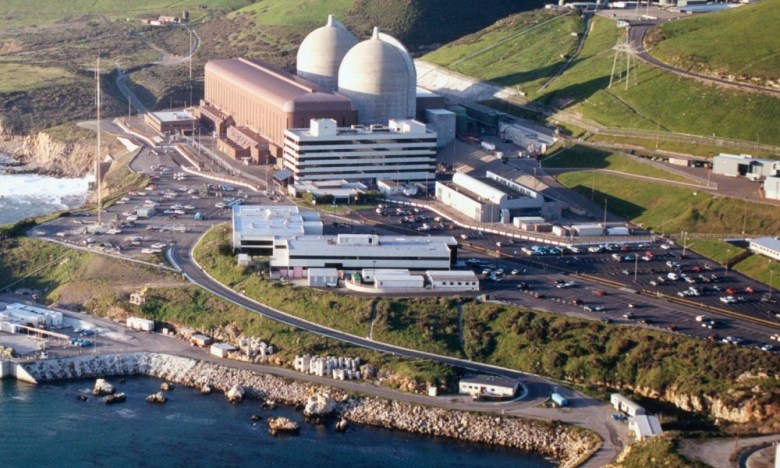
Nuclear energy offers a consistent and stable power supply, which can effectively backstop the fluctuations of renewable energy sources. With advancements in technology, modern nuclear plants are safer and more efficient than ever before. They can operate continuously and provide a substantial amount of base-load power, ensuring that the grid remains stable even when renewable sources falter.
Furthermore, the environmental benefits of nuclear power cannot be overlooked. Unlike fossil fuels, nuclear energy produces minimal greenhouse gas emissions, making it a viable option for achieving California’s climate goals. As the state continues to push for reduced carbon emissions, integrating nuclear power into its energy mix could play a pivotal role in meeting these objectives.
Opposition to nuclear energy often stems from concerns related to safety and waste management. However, with proper regulatory frameworks and technological innovations, these issues can be addressed effectively. Incorporating nuclear power into California’s energy strategy does not mean abandoning renewable energy; rather, it enhances the overall resilience and reliability of the state's power grid.
In conclusion, California's commitment to a sustainable energy future necessitates a balanced approach that includes both renewable energy sources and nuclear power. By embracing a diverse energy portfolio, California can ensure a reliable, clean, and sustainable energy supply that meets the needs of its residents while addressing the challenges of climate change.
Please consider supporting this site, it would mean a lot to us!
