



TLDR: Nations are heavily investing in advanced air defense systems to protect their airspace from threats. Key systems include the U.S. Patriot, Russia's S-400, Israel's Iron Dome, and the U.S. Navy's Aegis Combat System, each designed to counter various aerial threats effectively as military strategies evolve.
In the ever-evolving landscape of global defense, military defense systems have taken on a critical role, especially in air defense. Nations are investing heavily in sophisticated technologies to protect their airspace from potential threats. This article explores some of the most powerful air defense systems currently in operation, each designed to counter a variety of aerial threats.
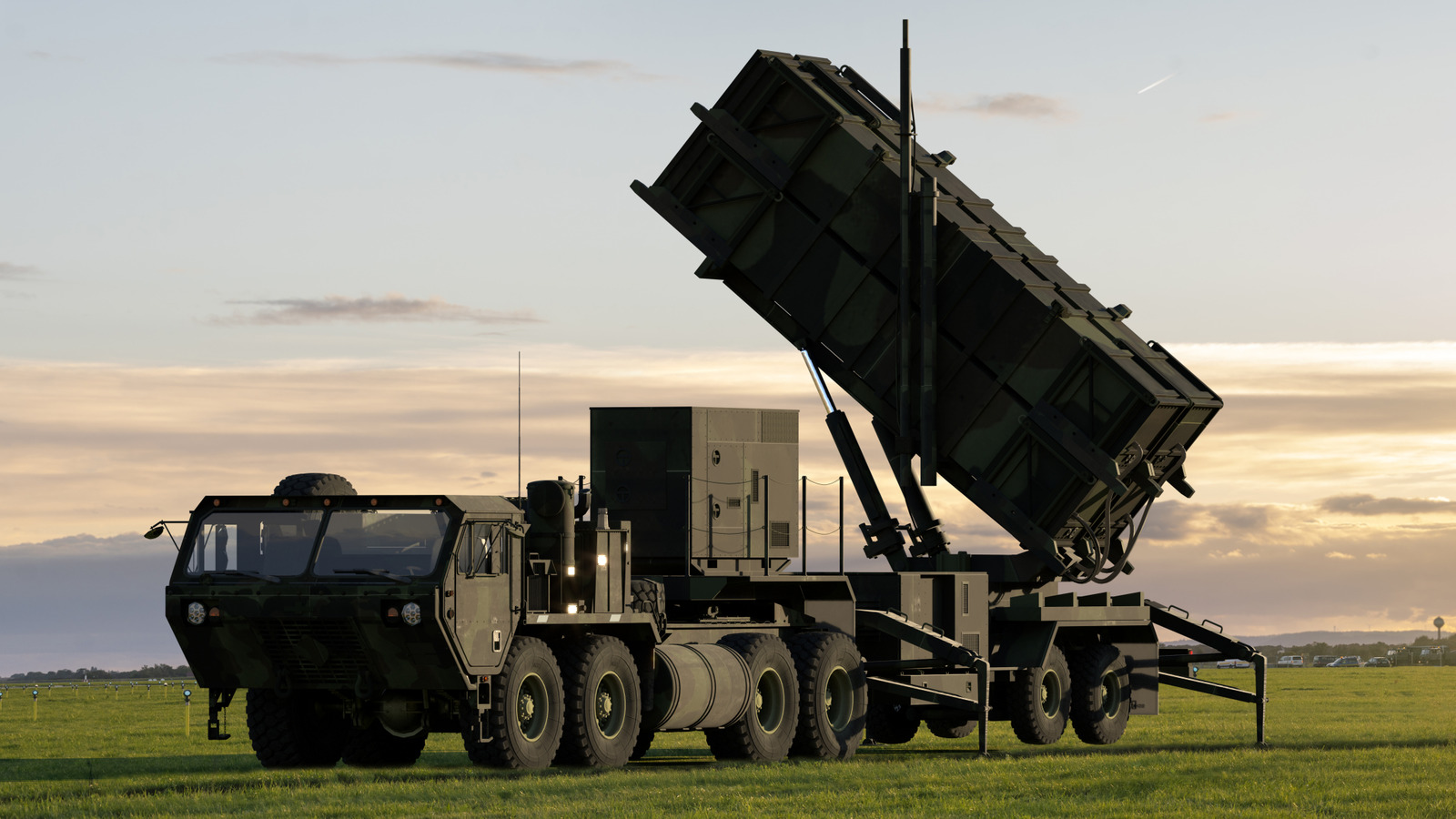
One of the leading systems is the Patriot Missile System, developed by the United States. This advanced system is renowned for its ability to intercept tactical ballistic missiles, cruise missiles, and advanced aircraft. Its multi-functional radar and command and control capabilities make it a versatile choice for many countries.
Another noteworthy system is Russia's S-400 air defense system, which is celebrated for its long-range capabilities and high accuracy. The S-400 can engage multiple targets simultaneously, including stealth aircraft, making it a formidable deterrent in any military arsenal.
Israel's Iron Dome is a game-changer in air defense technology. Specifically designed to intercept short-range threats such as rockets and artillery shells, this system has proven its effectiveness in real combat scenarios. Its ability to distinguish between incoming threats and harmless projectiles has saved countless lives and infrastructure.
Additionally, the Aegis Combat System employed by the United States Navy represents a different approach to air defense. Integrating radar and missile systems aboard naval vessels, Aegis provides robust protection against aerial threats over vast maritime areas, showcasing the importance of naval capabilities in air defense.
As technology continues to advance, these air defense systems are likely to evolve further, incorporating artificial intelligence and enhanced radar capabilities. With nations increasingly aware of the importance of securing their airspace, the development and deployment of such systems will remain a top priority in global military strategy.
Please consider supporting this site, it would mean a lot to us!
