



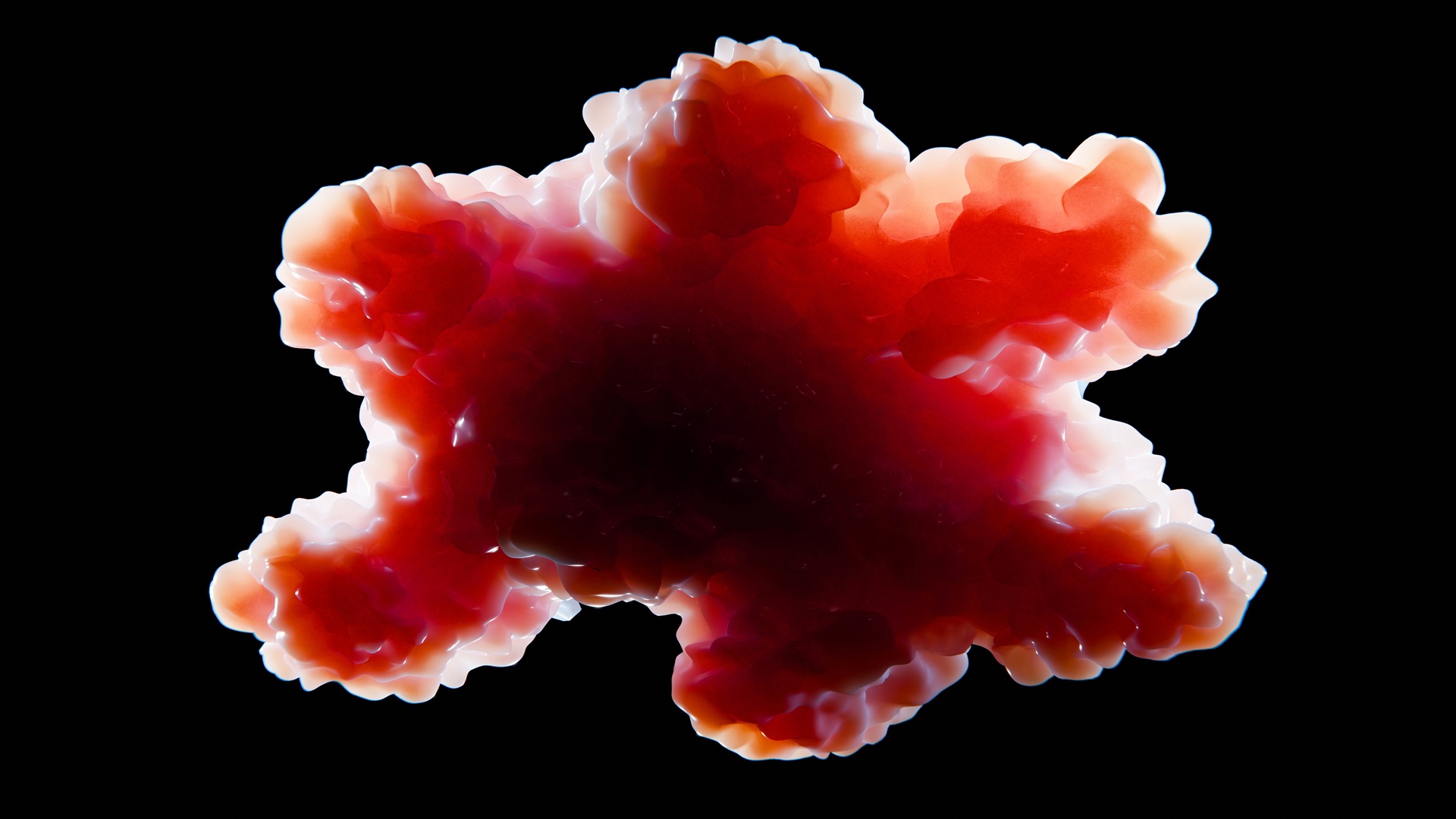
TLDR: Researchers have developed fat organoids—miniature human fat tissue structures from stem cells—offering significant potential for regenerative medicine. They can enhance understanding of obesity and metabolic diseases while advancing tissue engineering and personalized therapies, potentially transforming treatment approaches and improving patient outcomes.
The field of regenerative medicine is witnessing a groundbreaking advancement with the development of fat organoids. Researchers have successfully created these miniature versions of human fat tissue, which hold immense potential for various medical applications, particularly in regenerative therapies. This innovation is poised to change the landscape of how we approach tissue engineering and transplantation.
Fat organoids are essentially three-dimensional structures that mimic the properties and functionality of human adipose tissue. They are generated from human stem cells, providing a valuable tool for studying fat biology and its related disorders. One of the significant advantages of using fat organoids is their ability to replicate the complex interactions found in natural fat tissue, making them ideal for research and therapeutic purposes.
This research opens up new avenues for understanding obesity, metabolic diseases, and diabetes, as fat plays a crucial role in these conditions. By utilizing fat organoids, scientists can explore how different factors affect fat tissue and its metabolism, leading to better treatment strategies. Additionally, these organoids could be instrumental in developing personalized medicine approaches, allowing for tailored therapies based on an individual's unique biological makeup.
Furthermore, the implications of fat organoids extend beyond just metabolic health. They may also contribute to advancements in tissue engineering and regenerative therapies. For instance, they could be used in the development of bioengineered tissues for transplantation, which could significantly reduce the risks associated with donor organ shortages and rejection. This can ultimately lead to improved outcomes for patients requiring tissue repair or replacement.
As the research progresses, the potential for fat organoids in regenerative medicine continues to expand. Scientists are optimistic that these advancements will not only enhance our understanding of human fat biology but also pave the way for innovative therapies that could transform the treatment landscape for various health conditions. The future looks promising, as the intersection of science and medicine continues to evolve with these remarkable breakthroughs.
Please consider supporting this site, it would mean a lot to us!
