



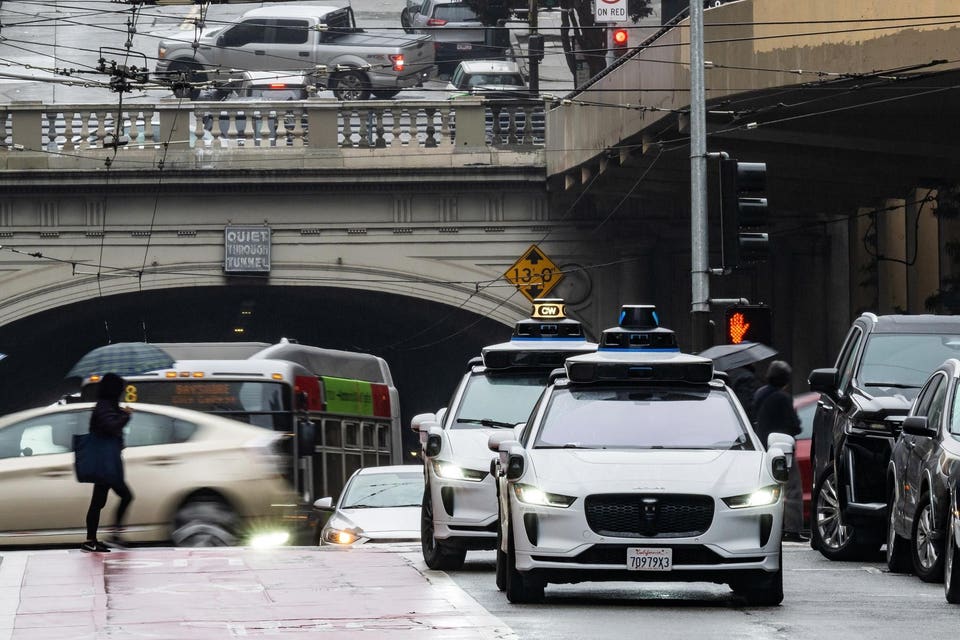
TLDR: Waymo's recent challenges with its autonomous vehicles, particularly an incident at a crowded intersection, highlight the difficulties of navigating complex urban environments influenced by unpredictable human behavior. This raises concerns about the readiness of self-driving cars to coexist with human drivers and emphasizes the need for collaboration in addressing these issues.
Waymo, a leader in autonomous vehicle technology, has recently faced challenges that have raised questions about the viability of self-driving cars in complex environments. While the company has made significant strides in developing its autonomous vehicles, a recent incident where one of its cars became stuck in a complicated situation has ignited discussions about the limitations of these technologies and the unpredictability of human behavior.
During the incident, a Waymo vehicle found itself unable to navigate a crowded intersection, prompting speculation about what went wrong. Observers noted that the presence of unpredictable human drivers and pedestrians can create scenarios that challenge even the most advanced algorithms. This particular situation highlighted the ongoing struggle for self-driving technology to adapt to the chaotic nature of urban driving, where human decision-making can be erratic and difficult to predict.
The incident has raised concerns among industry experts about the readiness of autonomous systems to handle real-world conditions. While companies like Waymo are continuously improving their algorithms and learning from data, the complexity of human interactions poses a significant hurdle. The question remains: can self-driving cars effectively coexist with human drivers, or are there fundamental limitations that need to be addressed?
Waymo's experience reflects a broader challenge in the field of autonomous driving. As technology advances, companies are finding that the unpredictability of human behavior can lead to situations that even the most sophisticated AI struggles to navigate. This raises important considerations for the future of transportation and the potential need for regulatory frameworks that can accommodate both human and machine drivers.
In conclusion, while Waymo continues to innovate and push the boundaries of what is possible in the realm of autonomous vehicles, incidents like the recent one serve as a reminder of the complexities involved. As we move forward, it is essential to address these challenges through collaboration between technology developers, policymakers, and the public to ensure a safe and efficient transportation system that benefits everyone.
Please consider supporting this site, it would mean a lot to us!
