



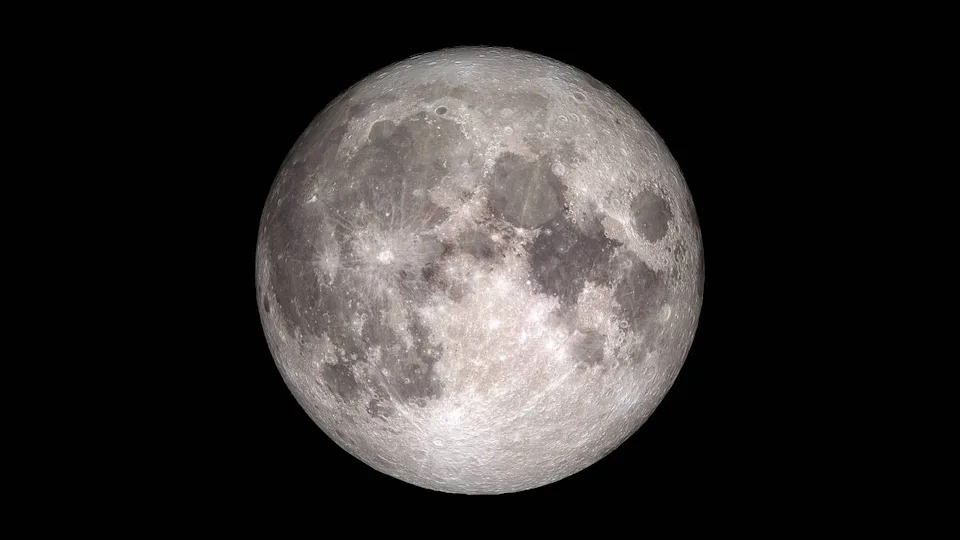
TLDR: The race for lunar resources is escalating as nations and private companies explore mining opportunities on the Moon for valuable materials. With advancements in technology and increasing demand for resources, establishing a regulatory framework for sustainable and peaceful extraction is critical to avoid conflict and ensure cooperation among stakeholders.
The quest for lunar resources is intensifying as nations and private companies race to explore and exploit the Moon. The potential of the Moon as a source of valuable materials, such as helium-3, rare earth elements, and water, has sparked a global interest in lunar mining. This surge in interest is driven by the need for sustainable energy and the growing demand for these resources on Earth. As technology advances, the feasibility of extracting these materials from the Moon becomes increasingly plausible.
Countries like the United States, China, and Russia are at the forefront of this space exploration race. Each nation is developing its own plans and spacecraft to reach the lunar surface. The U.S. aims to return astronauts to the Moon by 2024 under the Artemis program, while China has successfully landed several robotic missions on the Moon, paving the way for future mining efforts. These missions not only demonstrate technological prowess but also ensure that these nations secure a foothold in the lucrative lunar resource market.
Private companies are also stepping into the arena, with several startups working on lunar landers and mining technologies. The involvement of the private sector could accelerate the timeline for lunar mining operations, as these companies often operate with more agility than governmental entities. However, the commercialization of lunar resources poses questions regarding international law and the governance of extraterrestrial activities. The Outer Space Treaty of 1967 prohibits any nation from claiming sovereignty over celestial bodies, but the interpretation of this treaty in the context of resource extraction remains a topic of debate.
As the competition heats up, the urgency to establish a framework for lunar resource management increases. Experts argue that without clear regulations, the potential for conflict could rise as nations and corporations vie for control over these valuable resources. The next few years will be crucial in determining how the international community addresses these challenges and whether cooperative agreements can be reached to ensure peaceful and sustainable mining activities on the Moon.
The race to mine the Moon is not just a technological challenge; it also encompasses ethical, legal, and environmental considerations that will shape the future of space exploration and resource utilization. As nations and companies prepare for this new frontier, the world watches closely to see who will emerge as the leader in lunar mining.
Please consider supporting this site, it would mean a lot to us!
