



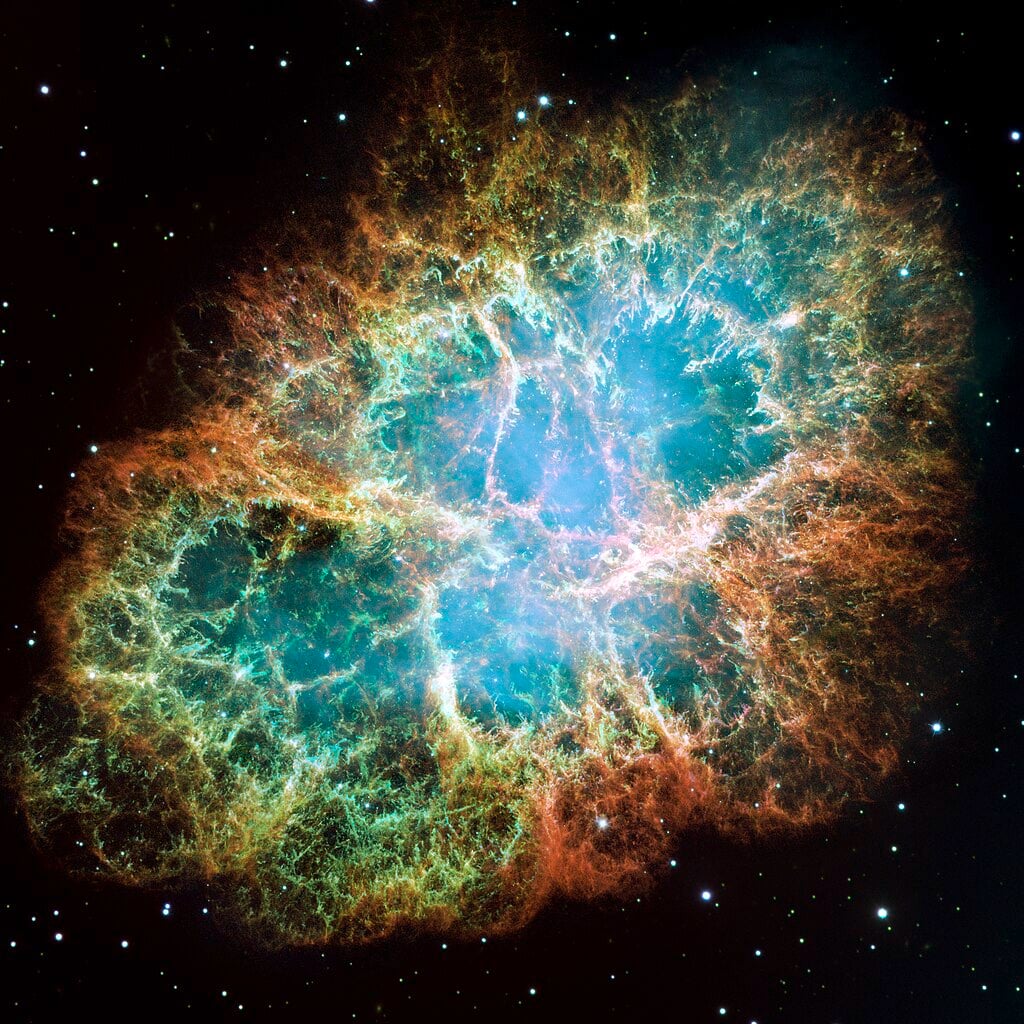
TLDR: Some massive stars fail to explode as supernovae due to factors like mass, composition, and binary interactions, leading instead to neutron stars or black holes. This phenomenon enhances our understanding of cosmic evolution and the chemical enrichment of the universe.
In the vast expanse of the universe, the life cycle of stars is a fascinating topic that continues to intrigue astronomers and astrophysicists alike. While many stars end their lives in spectacular explosions known as supernovae, not all of them follow this path. In fact, some stars, particularly those that are massive, can fail to explode at the end of their life cycle, leading to a series of intriguing astronomical phenomena.
Typically, when a massive star exhausts its nuclear fuel, it undergoes a gravitational collapse, resulting in a supernova explosion that scatters its outer layers into space. However, in certain circumstances, this collapse does not result in an explosion. Instead, the core may collapse into a neutron star or a black hole without the characteristic bright outburst. This phenomenon raises questions about the conditions that lead to such outcomes and the subsequent behavior of the remnants.
One of the key reasons for a star's failure to explode is related to its mass and composition. Stars with insufficient mass may not generate the necessary energy to initiate a supernova explosion. Additionally, the presence of certain elements in the star's core can impact the type of nuclear reactions that occur, ultimately influencing whether a star will explode or simply collapse. For example, if a star is primarily composed of lighter elements, it may not produce the heavy elements needed for a supernova.
Another aspect to consider is the role of binary star systems. In these systems, one star may siphon material from its companion, leading to a change in mass and composition that affects the way it ends its life. This material transfer can also lead to phenomena such as Type Ia supernovae, which are caused by the explosion of a white dwarf star that has accumulated enough mass from its companion.
The study of stars that fail to explode enhances our understanding of cosmic evolution and the lifecycle of galaxies. These stars and their remnants contribute to the cosmic chemical enrichment process, influencing the formation of new stars and planetary systems. Additionally, the existence of black holes and neutron stars, which can result from these failed explosions, plays a crucial role in the dynamics of our universe.
In summary, the failure of some stars to explode is a complex interplay of mass, composition, and environmental factors. This phenomenon not only contributes to our understanding of stellar evolution but also enriches the cosmos in ways that continue to be explored by astronomers. As we delve deeper into the mysteries of the universe, the study of these non-exploding stars will undoubtedly yield new insights into the fabric of space and time.
For those interested in the intricacies of the universe, exploring terms like supernova, black holes, and stellar evolution can provide a deeper understanding of these cosmic phenomena.
Please consider supporting this site, it would mean a lot to us!
