



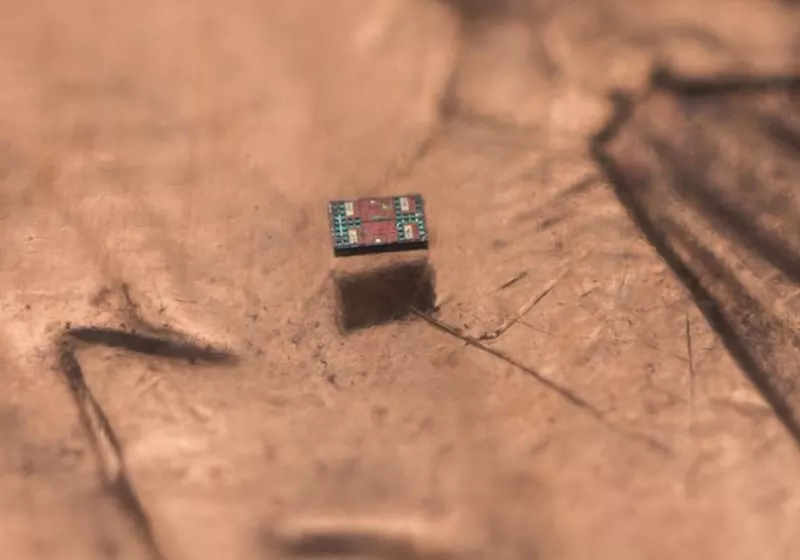
TLDR: Researchers have developed the world's smallest autonomous robots, capable of performing tasks without human intervention. Their tiny size allows for applications in medicine, environmental monitoring, and manufacturing, promising greater efficiency and safety across various industries. These innovations could revolutionize how robots are integrated into daily life.
Researchers have recently unveiled what could be considered a groundbreaking achievement in the field of robotics: the world’s smallest autonomous robots. These tiny machines, measuring just a few millimeters in size, are designed to perform various tasks without the need for human intervention. This innovation opens up a plethora of possibilities in numerous fields, including medicine, environmental monitoring, and even manufacturing.
The development of these miniature robots is a significant step forward in the realm of robotics. The researchers utilized advanced materials and engineering techniques, enabling the robots to navigate their surroundings, adapt to different environments, and carry out simple tasks autonomously. Their small size allows them to operate in spaces that were previously inaccessible to larger robotic systems.
One of the key features of these robots is their ability to communicate with one another. By utilizing a network of tiny robots, they can work together to complete more complex tasks, which could revolutionize fields such as environmental monitoring and medical applications. For instance, they could be deployed in hazardous environments to gather data or even assist in medical procedures by delivering drugs directly to targeted areas within the human body.
The researchers also highlighted the potential of these robots in the field of manufacturing. Their small size and ability to function independently could lead to more efficient assembly lines and improved quality control processes. As industries continue to seek automation to enhance productivity, these tiny robots could play a pivotal role.
Moreover, the technology behind these autonomous robots is not only groundbreaking but also highly adaptable. As further research is conducted, the potential applications are expected to expand, paving the way for even smaller and more advanced robotic systems. The implications of this development are vast, promising a future where autonomous robots could become integral to various sectors, enhancing efficiency and safety across the board.
In conclusion, the creation of the world’s smallest autonomous robots marks a significant milestone in robotic technology. With their ability to operate independently and communicate with one another, these miniature marvels are set to impact numerous industries profoundly. As research continues to advance in this field, the possibilities for their application are boundless, and we may soon see them integrated into our daily lives in ways we have yet to imagine.
Please consider supporting this site, it would mean a lot to us!
