



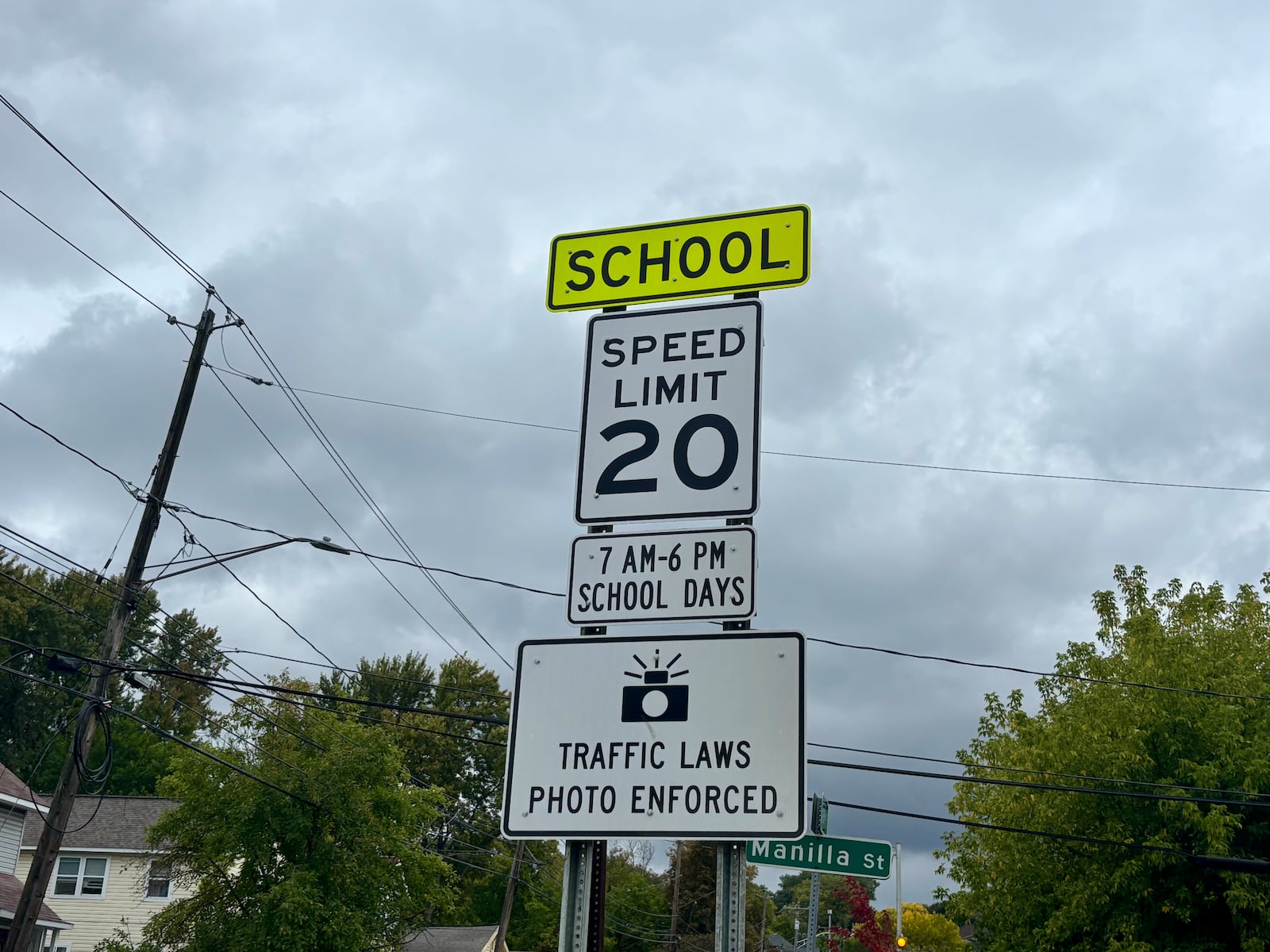
TLDR: Syracuse's traffic camera program generated $1 million in November, improving roadway safety while sparking debate over privacy and enforcement. Supporters cite reduced speeding and accidents, while critics express concerns. The initiative highlights the need for community dialogue on balancing safety and individual rights.
Syracuse's traffic camera program has made headlines as it generated a significant revenue of $1 million in November alone. This impressive figure highlights the program's impact on roadway safety and municipal finances. The initiative is designed to deter speeding and promote safer driving habits by capturing and penalizing traffic violations through automated cameras placed at strategic locations throughout the city.
In recent months, the program has been a point of contention among residents. While supporters argue that it enhances public safety and reduces accidents, critics raise concerns about privacy and the potential for overreach in enforcement. The discussion has sparked a broader debate about the balance between public safety measures and individual rights.
City officials defend the traffic camera enforcement, asserting that the data collected shows a decrease in speeding violations and accidents in monitored areas. The revenue generated from fines is earmarked for various city projects, further emphasizing the program's dual role in enhancing community safety and supporting local infrastructure.
As the program continues to evolve, it remains crucial for the community to engage in dialogue around its benefits and drawbacks. Syracuse's approach might serve as a model for other cities considering similar measures to improve road safety. With the ongoing discussions, it will be interesting to see how the program develops and what adjustments, if any, might be made in response to public feedback.
In conclusion, Syracuse's traffic camera program stands out as a significant initiative that blends technology with public safety. As it generates substantial revenue and spurs conversations about traffic enforcement, it exemplifies the complex nature of modern urban governance and the need for continuous community involvement in shaping policy.
Please consider supporting this site, it would mean a lot to us!
