



TLDR: Researchers have developed an efficient catalyst from lignin, a renewable plant polymer, enhancing the oxygen evolution reaction crucial for hydrogen production. This sustainable alternative to traditional catalysts could improve energy conversion efficiencies while reducing reliance on scarce materials, promoting a greener energy future.
Researchers have made a significant breakthrough in the development of a new catalyst derived from lignin, a natural polymer found in plant cell walls. This innovative catalyst has demonstrated remarkable efficiency in the oxygen evolution reaction (OER), a crucial process in energy conversion technologies such as water splitting for hydrogen production. The utilization of lignin not only enhances the performance of the catalyst but also promotes sustainability by leveraging a renewable resource.
The team behind this discovery has highlighted the advantages of using lignin, which is abundant and inexpensive compared to traditional materials. By transforming lignin into a carbon-based catalyst, they have successfully created a material that exhibits high electrochemical activity and stability during the OER. This advancement could pave the way for more sustainable energy solutions, as the traditional catalysts often rely on scarce and expensive metals.
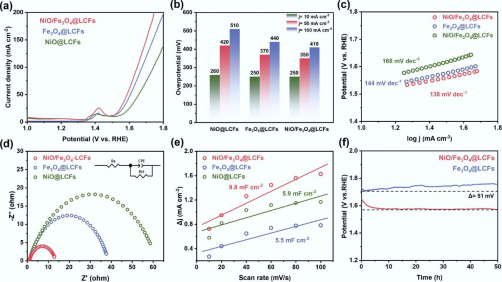
During the experiments, the lignin-derived carbon fiber catalyst showed excellent performance metrics, including a low overpotential and high current density. These characteristics are essential for practical applications in renewable energy systems, making it a promising alternative to existing catalysts. The research team is optimistic that this innovation will contribute to the improvement of energy conversion efficiencies, ultimately aiding in the transition towards sustainable energy sources.
Moreover, the environmental benefits of using lignin as a raw material cannot be overstated. By utilizing waste products from the forestry and agricultural sectors, this approach not only reduces reliance on fossil fuels but also minimizes waste. The team's findings are expected to inspire further research into the use of bio-based materials in the development of efficient catalysts for various energy applications.
In conclusion, the creation of a lignin-derived carbon fiber catalyst marks a significant step forward in the quest for efficient and sustainable energy solutions. As researchers continue to explore the potential of renewable materials in catalysis, the future of energy conversion looks increasingly promising.
Please consider supporting this site, it would mean a lot to us!
