



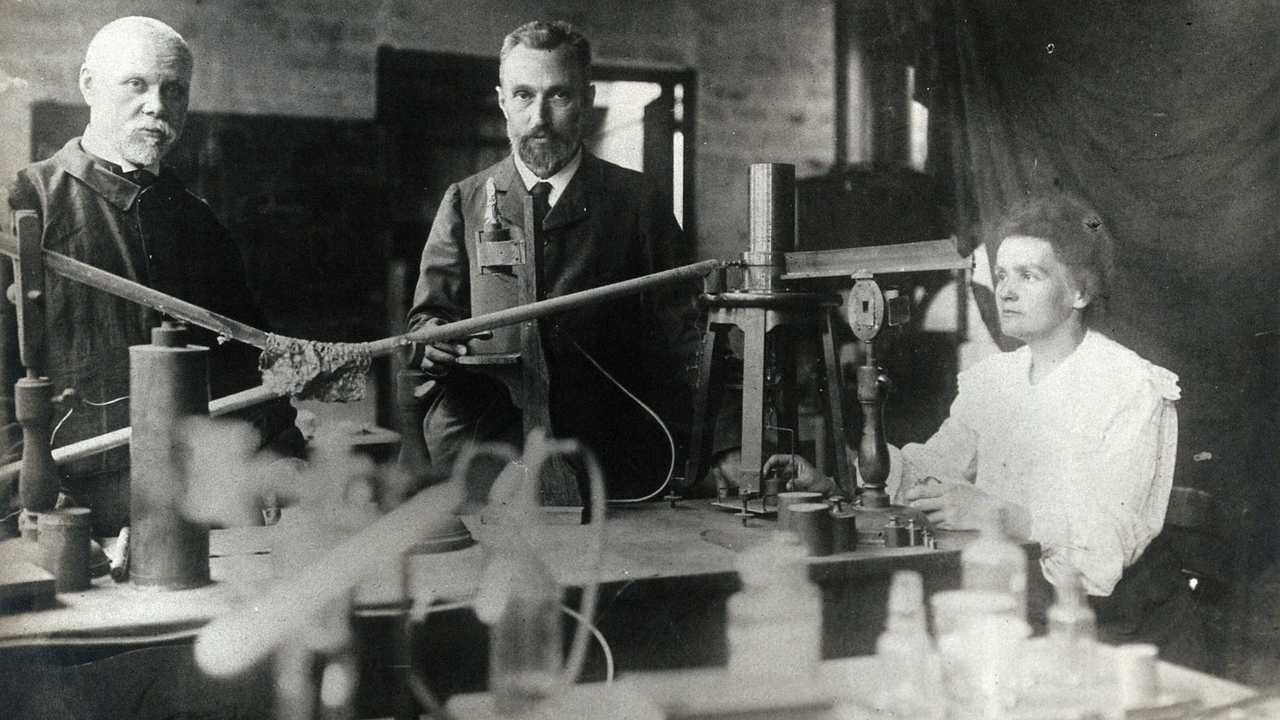
TLDR: On December 26, 1898, Marie Curie discovered radium, a groundbreaking radioactive element that transformed science and medicine. Despite the health risks from radiation exposure, her work earned her two Nobel Prizes and laid the foundation for advancements in oncology and beyond, highlighting the balance between exploration and safety in science.
On December 26, 1898, renowned scientist Marie Curie made a groundbreaking discovery that would change the course of science and have profound implications for human health. During her research, Curie identified a previously unknown radioactive substance that she named Radium. This remarkable element was not only unique for its radioactive properties but also for the potential it held for medical applications.
Curie's journey into the world of radioactivity began with her initial studies of uranium rays, which led her to explore other elements in search of similar properties. Her relentless pursuit of knowledge and her innovative techniques enabled her to isolate radium from uranium ore, a feat that was both challenging and dangerous. The discovery of radium opened up new avenues in the field of physics and chemistry, paving the way for future advancements in medical treatment.
Despite the excitement surrounding her discovery, the dangers of radioactivity were not fully understood at the time. Curie's work with radium ultimately exposed her to harmful radiation, which would later contribute to her health problems. Despite the risks, her contributions to science were monumental; she became the first woman to win a Nobel Prize and remains the only person to win Nobel Prizes in two different scientific fields: Physics and Chemistry.
Curie's legacy continues to influence modern science, particularly in fields such as oncology, where radium and other radioactive elements are used in cancer treatment. Her discoveries not only advanced our understanding of radioactivity but also sparked further research into the uses of radioactive materials in various sectors, including medicine, energy, and industry.
In summary, Marie Curie's discovery of radium on December 26, 1898, marked a significant milestone in scientific history. Her dedication and groundbreaking work laid the foundation for future discoveries and advancements, despite the personal sacrifices she made along the way. Today, Curie's legacy serves as a reminder of the delicate balance between scientific exploration and safety, while inspiring countless individuals to pursue careers in STEM fields.
Please consider supporting this site, it would mean a lot to us!
