



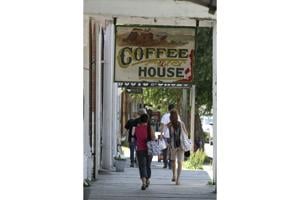
TLDR: Montana's ghost towns face rising lease rates, straining local vendors who rely on tourism. Increased costs may threaten their businesses, prompting calls for a balanced solution. State officials are open to discussions to support both revenue needs and vendor sustainability, impacting the future of these historic sites.
In the heart of Montana, the state's unique ghost towns are facing a significant challenge due to rising lease rates. These towns, which serve as popular tourist destinations, are experiencing a cash crunch that has prompted state officials to increase costs for vendors operating within their borders. The financial strain comes at a time when many vendors are already struggling to sustain their businesses in these remote locations.
Historically, the state has maintained low leasing fees to encourage vendors to set up shop in these historic sites. However, with increasing maintenance costs and the need for funding essential services, the state has been compelled to reassess its leasing strategy. This decision has led to an uptick in lease prices that many vendors find difficult to absorb, especially given the unpredictable nature of tourism in these areas.
The rise in lease rates has sparked concerns among local vendors, who fear that the increased costs could drive them out of business. Many rely on the seasonal influx of tourists to sustain their operations, and any significant hike in expenses could deter them from continuing to invest in these charming, albeit challenging, locations. Vendors are calling for a more balanced approach that considers the economic realities they face while still supporting the state's need for revenue.
In response to these concerns, state officials have indicated a willingness to engage in discussions with the vendors to find a feasible solution that benefits both parties. The goal is to ensure that these historic sites remain vibrant and accessible, without placing an undue financial burden on those who help bring them to life.
As the debate continues, the future of Montana's ghost towns and their vendors hangs in the balance. It remains to be seen how the state will navigate this financial tightrope while preserving the cultural and historical significance of these unique locations. The outcome will undoubtedly impact the local economy and the preservation of Montana's rich history.
Please consider supporting this site, it would mean a lot to us!
