



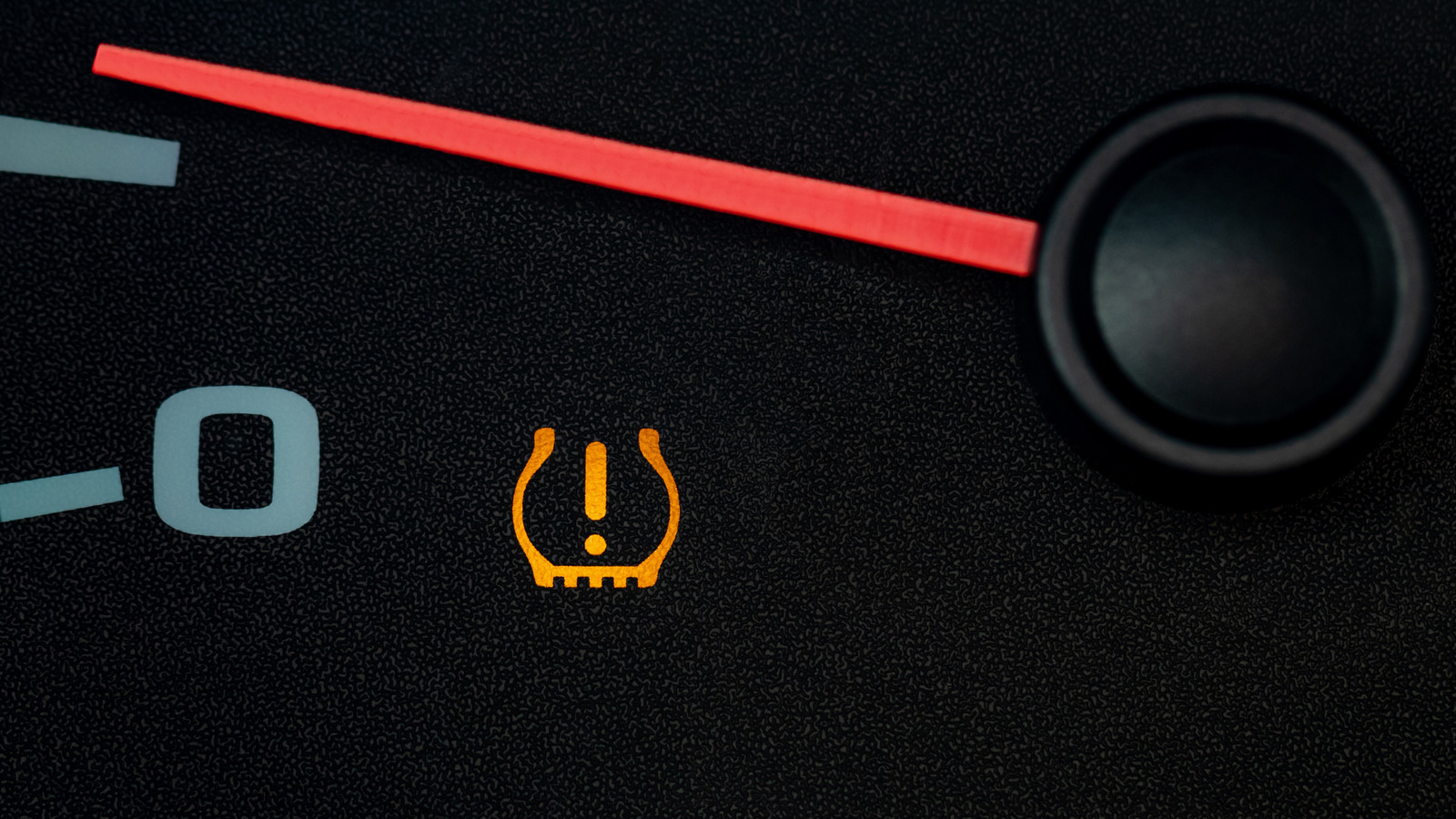
TLDR: TPMS sensors, crucial for monitoring tire pressure and safety, often get overlooked during tire replacements. They typically last 5-10 years, so consider replacing them when changing tires to avoid future issues. Ensuring their compatibility and health can enhance vehicle performance and extend tire lifespan.
When it comes to maintaining vehicle safety and performance, tire management plays an essential role. One critical aspect that often gets overlooked during tire replacement is the TPMS sensors (Tire Pressure Monitoring System). As you consider replacing your tires, the question arises: should you also change the TPMS sensors?
TPMS sensors are designed to monitor the air pressure in your tires, alerting you when levels fall below the recommended threshold. This is vital for ensuring optimal tire performance and extending the lifespan of your tires. When replacing tires, it is advisable to inspect the TPMS sensors as well. Over time, these sensors can wear out, leading to malfunction and inaccurate pressure readings.
While many vehicle owners might assume that TPMS sensors have a long lifespan, they typically last about 5 to 10 years, depending on driving conditions and environmental factors. If your vehicle has older sensors, replacing them during a tire change can save you from potential issues down the road. Furthermore, certain tire shops may offer package deals that include TPMS sensor replacement when you buy new tires, making it a cost-effective choice.
Another important consideration is the type of TPMS sensors installed in your vehicle. There are two main types: direct and indirect. Direct sensors measure real-time tire pressure, while indirect sensors rely on the vehicle's ABS system to gauge tire performance. If you decide to stick with direct sensors, ensure they are compatible with your new tires to maintain accurate readings.
In conclusion, while it might seem like a minor detail, changing your TPMS sensors when replacing tires can enhance safety and performance. Regularly maintaining these components not only helps in achieving better fuel efficiency but also prolongs tire life. Therefore, when planning your next tire replacement, it's wise to consider the health of your TPMS sensors to ensure a smooth and safe driving experience.
Please consider supporting this site, it would mean a lot to us!
