



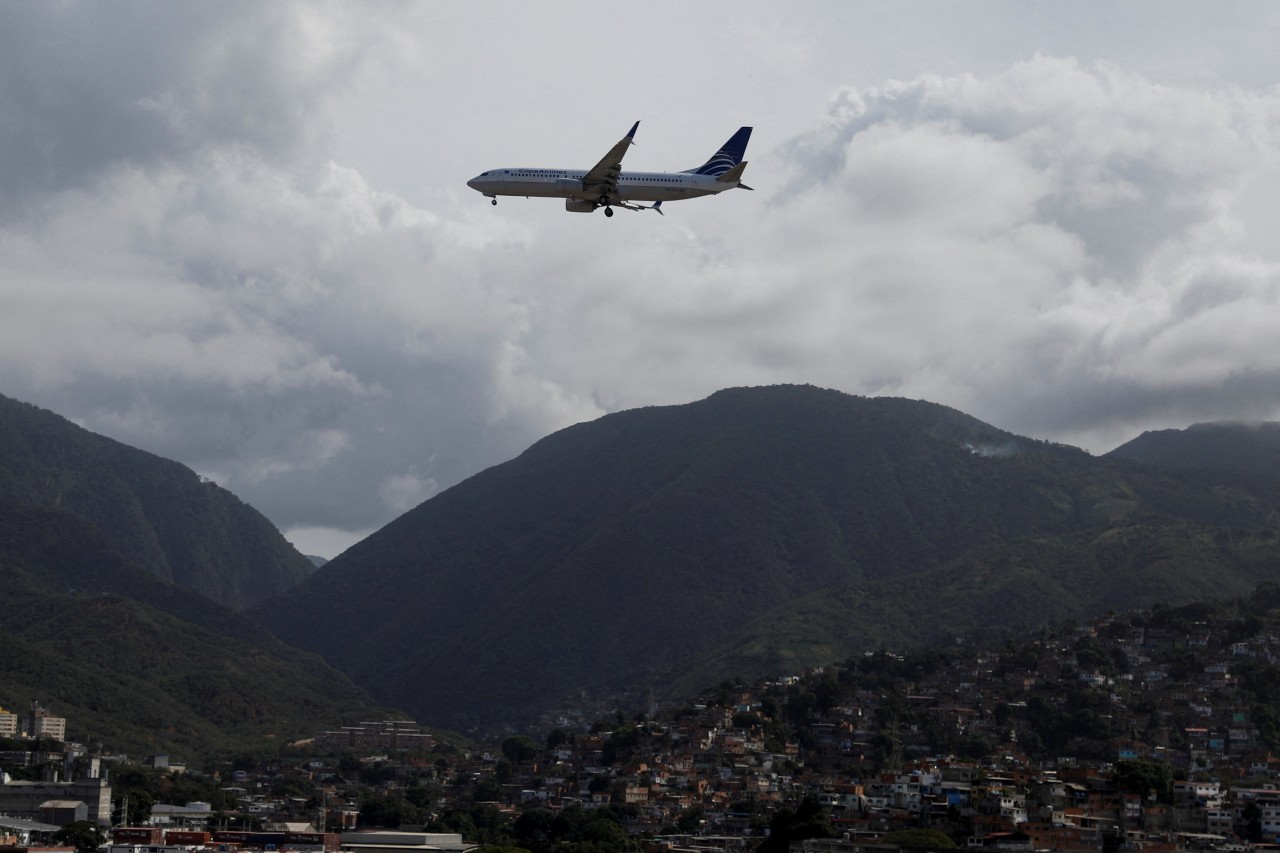
TLDR: Venezuela's aviation industry is struggling with only 20 aging aircraft due to U.S. airspace restrictions, underinvestment, and economic crisis. This has led to unpredictable flight schedules, declining service quality, and operational challenges. Experts emphasize the need for investment and infrastructure improvements to revitalize the sector.
The aviation industry in Venezuela is facing significant challenges as the country becomes increasingly reliant on a fleet of just 20 aging aircraft. This situation has arisen following new restrictions imposed by the United States on Venezuelan airspace, which have dramatically limited the nation’s ability to operate and maintain a robust airline system. The restrictions have compounded the existing issues within the country’s aviation sector, which has struggled with underinvestment and a lack of modern equipment.
Many of the planes currently in use are decades old, leading to concerns about safety and reliability. The Venezuelan government has been trying to negotiate with various international entities to acquire more modern aircraft, but these efforts have been hampered by the ongoing economic crisis and international sanctions. As a result, the limited fleet is forced to serve the needs of both domestic and international flights, putting additional strain on the aging planes.
Travelers and airlines alike are feeling the impact of this reduced capacity. With fewer operational planes, flight schedules have become unpredictable, leading to longer wait times and increased cancellations. Additionally, the lack of modern aircraft has resulted in a decline in the quality of service offered to passengers, which is critical in a competitive market.
Furthermore, the economic situation in Venezuela has left many airlines struggling to maintain their operations. Rising fuel costs and a lack of spare parts for older aircraft have made it difficult to keep the planes in the air. Consequently, the aviation sector is at a crossroads, with limited options for recovery unless significant changes are made.
Experts suggest that revitalizing the aviation industry in Venezuela will require not only investment in newer aircraft but also improvements in infrastructure and regulatory frameworks. The path forward is fraught with challenges, but for the sake of the economy and the traveling public, finding solutions is essential. Without meaningful changes, the future of aviation in Venezuela looks uncertain, making it a critical area to watch in the coming months.
Please consider supporting this site, it would mean a lot to us!
