



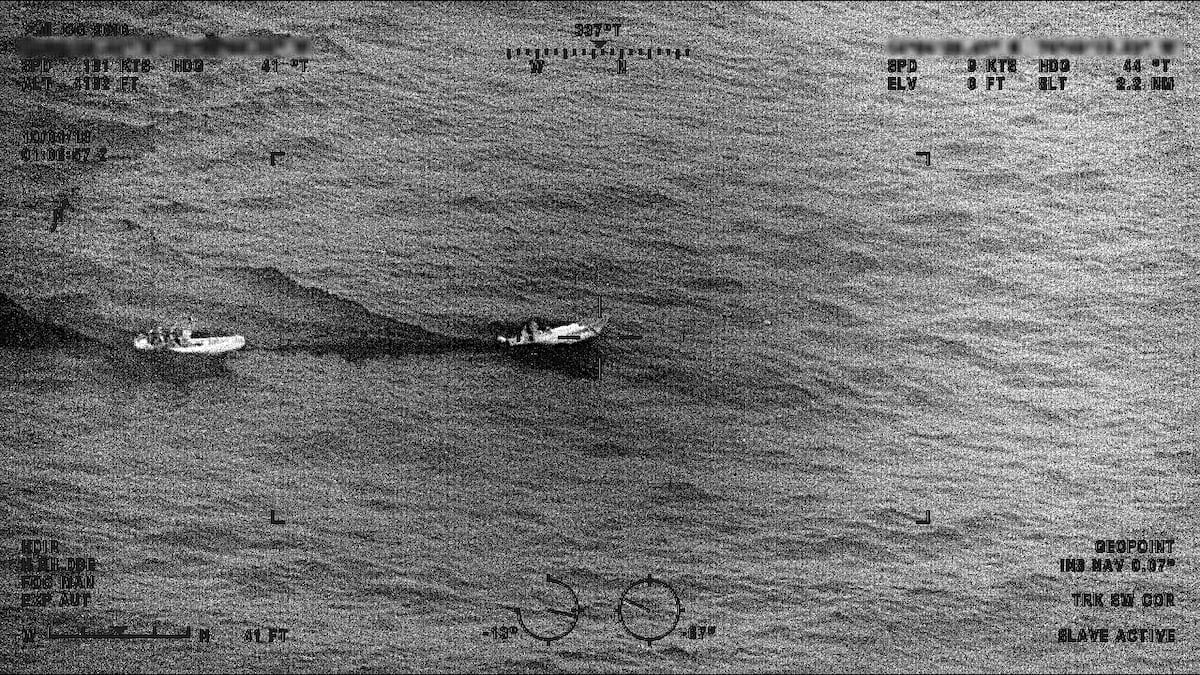
TLDR: The U.S. combats drug smuggling in the Caribbean through military presence, international cooperation, advanced technology, and intelligence operations. Despite ongoing efforts yielding significant drug seizures, traffickers adapt quickly, necessitating continuous innovation and commitment to ensure regional stability and security.
The Caribbean has long been a hotspot for drug smuggling, and the United States has been actively involved in combating this issue through various military and law enforcement strategies. Prior to a series of focused military strikes aimed at disrupting drug trafficking networks, the U.S. maintained a robust presence in the region to patrol and monitor these illicit activities.
The U.S. Coast Guard plays a pivotal role in this effort, conducting regular patrols and surveillance missions to detect and intercept drug shipments. These operations are often conducted in collaboration with other nations in the Caribbean, emphasizing the importance of international cooperation in battling drug smuggling. The partnership between the U.S. and regional allies significantly enhances the effectiveness of these patrols, as shared intelligence and resources allow for a more comprehensive approach to enforcement.
In addition to the Coast Guard, other branches of the military, including the Navy and Air Force, contribute to surveillance and interdiction efforts. Their advanced aerial and naval capabilities enable a wider reach and more effective monitoring of the vast maritime areas often exploited by traffickers. The implementation of cutting-edge technology, such as drones and satellite surveillance, has further improved the U.S. military's ability to track suspicious vessels and movements in real-time, allowing for timely responses to potential threats.
Before the recent strikes, the U.S. also relied on a combination of intelligence gathering, reconnaissance missions, and community engagement to identify hotspots and trends in drug trafficking. This proactive approach not only helps in intercepting drugs but also in dismantling trafficking organizations at their core. By understanding the operational tactics of smugglers, law enforcement agencies can better plan their operations and allocate resources effectively.
The ongoing efforts to patrol the Caribbean have seen some success, with significant amounts of narcotics seized each year. However, the challenge remains substantial, as traffickers constantly adapt to enforcement strategies. As a result, U.S. military and law enforcement agencies must remain vigilant and innovative in their approaches to ensure the safety and security of the region.
With the stakes being high, the U.S. commitment to eradicating drug smuggling in the Caribbean is unwavering, as the consequences of these illicit activities extend beyond just the borders of the islands. The fight against drugs is a crucial component of broader initiatives aimed at promoting stability and security throughout the region, benefiting both the United States and its Caribbean partners.
In summary, the U.S. approach to patrolling the Caribbean for drug smuggling involves a combination of military presence, international cooperation, advanced technology, and intelligence-driven operations. The complexity of the drug trade necessitates a multi-faceted strategy, and the ongoing commitment to these efforts is vital in the battle against narcotics trafficking.
Please consider supporting this site, it would mean a lot to us!
