



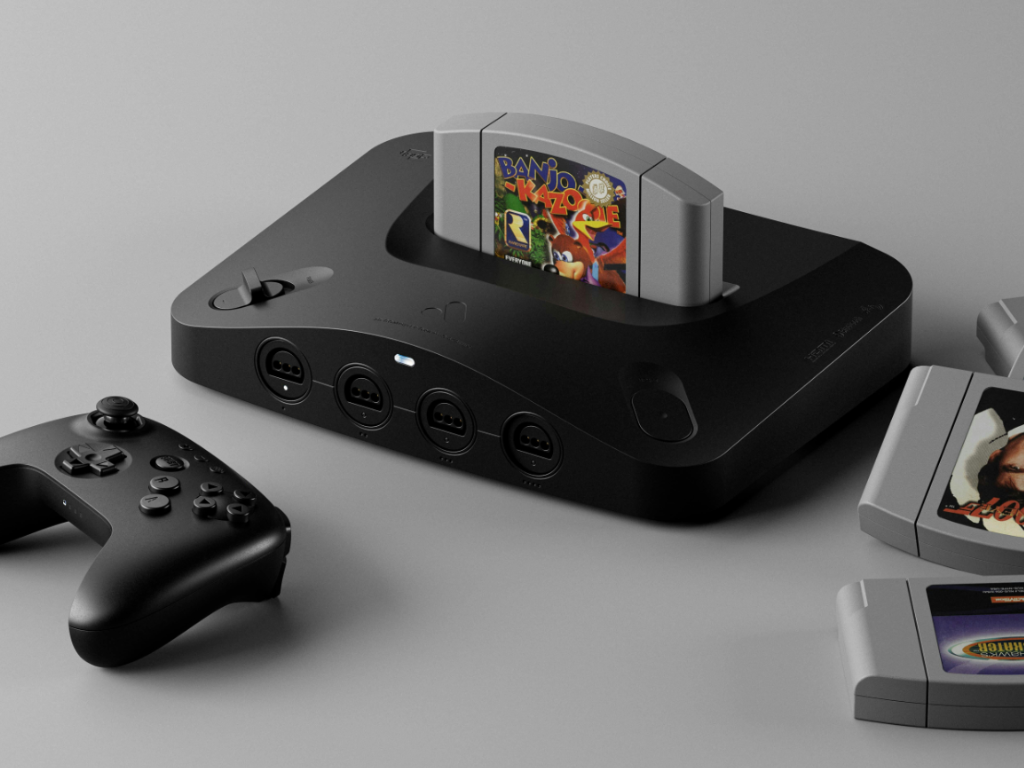
TLDR: The Analogue 3D has sparked debate in the gaming community due to concerns over its cycle accuracy, crucial for authentic retro gaming. A veteran N64 developer highlighted discrepancies affecting gameplay, leading to skepticism about the device's ability to deliver a genuine classic experience. Improvements are needed to meet enthusiasts' expectations.
The gaming community has recently been buzzing with discussions regarding the Analogue 3D, a device designed to bring classic gaming experiences back to life. A veteran developer from the Nintendo 64 era has weighed in on the matter, expressing significant concerns about the device's performance in terms of cycle accuracy. This revelation comes after the release of a new test video that has sparked further debate among enthusiasts and developers alike.
Cycle accuracy is crucial for emulating classic consoles, as it ensures that games run as they originally did on their native hardware. The veteran developer, known for their extensive experience with the N64, claims that the Analogue 3D does not deliver the level of precision expected by fans of retro gaming. In their analysis, they pointed out several discrepancies that could affect gameplay, including timing issues and graphical inaccuracies that diverge from the original experience.
This feedback has led many in the community to question whether the Analogue 3D can truly fulfill its promise of providing a genuine retro gaming experience. While the device boasts a sleek design and several modern features, these elements may not compensate for the lack of cycle accuracy. Gamers looking for an authentic feel may find themselves disappointed if the device fails to replicate the nuances of classic titles.
The discussion surrounding the Analogue 3D also raises broader questions about the state of retro gaming hardware. As more companies attempt to recreate the magic of classic consoles, the importance of accurate emulation cannot be overstated. Developers and gamers alike are advocating for advancements that prioritize fidelity to the original hardware, ensuring that future generations can enjoy these beloved games as they were meant to be played.
In conclusion, while the Analogue 3D may offer a nostalgic aesthetic, it appears that significant improvements are needed to meet the expectations of retro gaming enthusiasts. The insights from veteran developers serve as a reminder of the complexities involved in accurately emulating classic systems and highlight the ongoing challenges within the gaming hardware landscape.
Please consider supporting this site, it would mean a lot to us!
