



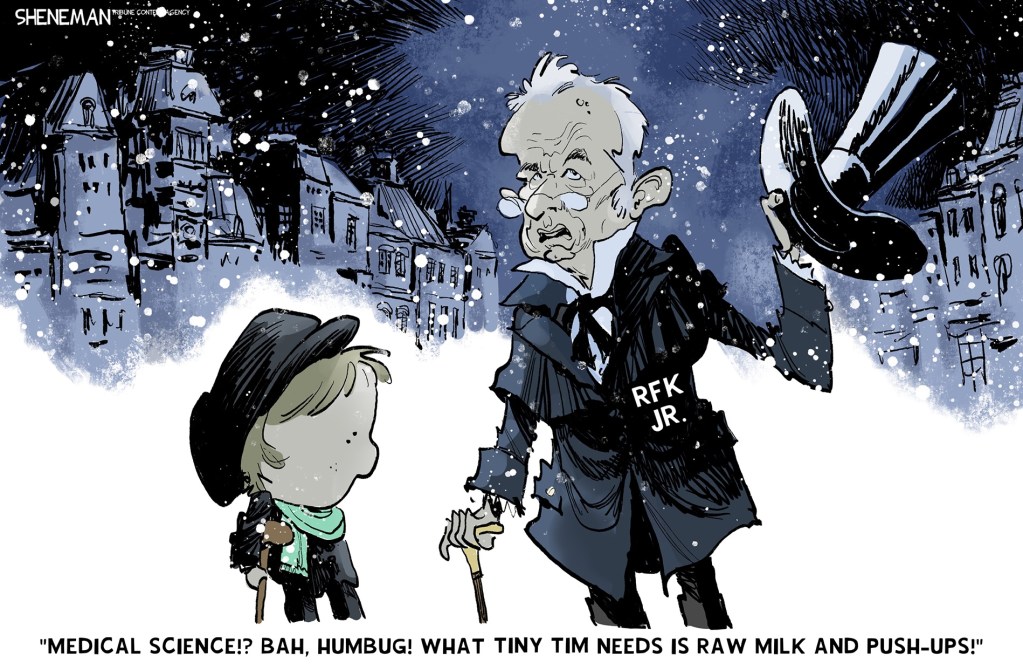
TLDR: Raw milk is a contentious topic, praised by advocates for its health benefits but criticized for safety risks like foodborne illnesses. The debate reflects broader issues of personal choice versus public health, highlighting a societal trend towards natural foods and alternative health practices while emphasizing the need for informed dietary decisions.
In a world where dietary choices often spark heated debates, raw milk emerges as a polarizing topic. Advocates praise its potential health benefits, while critics caution against its safety concerns. This article delves into the ongoing discussion surrounding raw milk and the broader implications of food choices in our lives.
Raw milk, which is unpasteurized and comes directly from the cow, has gained a loyal following among those who believe in its superior nutritional profile compared to pasteurized alternatives. Proponents argue that it contains beneficial bacteria, enzymes, and nutrients that are destroyed during the pasteurization process. They often claim that consuming raw milk can lead to improved digestion and enhanced immune function.
However, these claims are met with significant skepticism from health experts. Critics highlight the dangers associated with raw milk consumption, including the risk of foodborne illnesses caused by pathogens like Listeria and Salmonella. The Centers for Disease Control and Prevention (CDC) has noted that raw milk can pose serious health risks, particularly for vulnerable populations such as children, pregnant women, and individuals with weakened immune systems.
The discussion around raw milk also touches on broader themes of personal choice and health autonomy. Supporters argue for the right to choose what they consume, framing the issue as a matter of individual freedom. Conversely, opponents contend that public health must take precedence, advocating for regulations that ensure food safety standards are upheld.
This debate is not just about milk; it reflects a larger trend in society where individuals increasingly seek out natural foods and alternative health practices. The rise of movements promoting organic farming and sustainable food production underscores a growing desire for healthier lifestyles, albeit one that is often fraught with complexities and controversies.
Ultimately, the conversation surrounding raw milk serves as a microcosm of larger cultural shifts regarding food consumption and health awareness. As consumers continue to navigate these choices, it is essential to stay informed and consider the implications of what we eat, balancing personal preferences with safety and health considerations.
Please consider supporting this site, it would mean a lot to us!
