



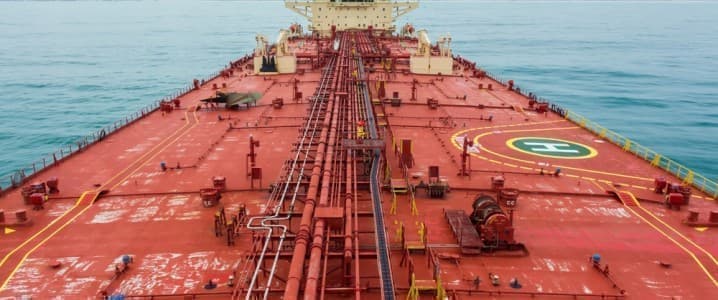
TLDR: Sanctioned oil tankers face significant operational challenges, including restricted market access, insurance difficulties, and financing issues, which complicate logistics and impact global oil prices. Despite these obstacles, some tankers continue to operate through clandestine methods, raising concerns about safety and environmental impacts.
The world of oil transportation is complex, especially when it comes to sanctioned oil tankers. When a tanker is placed under sanctions, it faces significant challenges that can impact its operations and the broader oil market. Sanctions are typically imposed by governments as a way to exert political pressure, often due to concerns over human rights violations or geopolitical conflicts. These measures can severely restrict a tanker's ability to operate freely in international waters.
One of the primary consequences of sanctions on oil tankers is the limitation on available markets. Sanctioned vessels are often banned from entering ports in certain countries, leading to a situation where they must find alternative routes or destinations that may not be as lucrative. This can result in increased shipping times and costs, which can further complicate the logistics of oil delivery and affect global oil prices.
In addition to market restrictions, sanctioned tankers may also encounter issues with insurance and financing. Many insurance companies are hesitant to cover vessels that are under sanctions, which can leave the owners of these tankers vulnerable to financial losses. Furthermore, obtaining financing for operations becomes increasingly difficult as banks and financial institutions may refuse to engage with sanctioned entities due to the risk of legal repercussions.
Despite these challenges, some sanctioned oil tankers find ways to continue operating, often through the use of complex networks and clandestine methods. For instance, they may engage in ship-to-ship transfers, disguising their identities or altering their routes to evade detection. This cat-and-mouse game not only complicates enforcement efforts but also raises concerns about the safety and environmental impact of such operations.
Ultimately, the fate of a sanctioned oil tanker is shaped by a multitude of factors, including geopolitical dynamics, market conditions, and the effectiveness of enforcement mechanisms. The ongoing evolution of sanctions and their implications for the oil industry underscore the intricate relationship between politics and global energy markets. As nations navigate these challenges, the future of sanctioned tankers remains uncertain, with potential ripple effects across the global energy markets.
Please consider supporting this site, it would mean a lot to us!
