



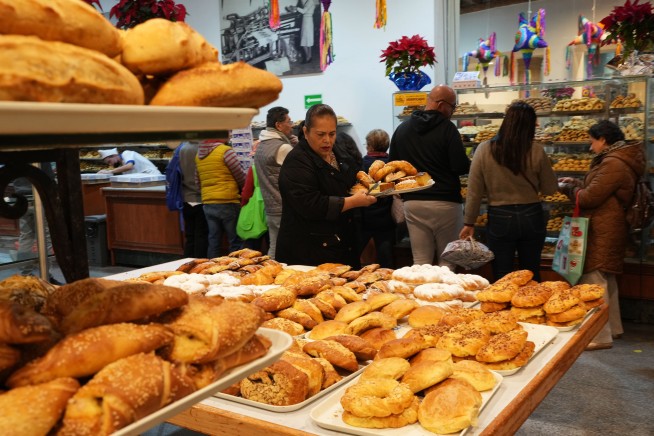
TLDR: A UK baker's criticism of the traditional Mexican bread "pan de muerto" as "ugly" has ignited backlash from the Mexican community, emphasizing the bread's cultural significance over aesthetics. This incident highlights the importance of respecting diverse culinary traditions and understanding their historical roots.
A recent social media exchange has sparked a lively debate surrounding cultural culinary traditions, particularly involving Mexican bread. A baker from the UK took to social media to criticize the aesthetics of a traditional Mexican bread called “pan de muerto,” claiming it looked “ugly.” This comment has drawn widespread backlash from both Mexican bakers and food enthusiasts, who argue that the beauty of this bread lies in its cultural significance, rather than its appearance.
“Pan de muerto,” or “bread of the dead,” is a traditional pastry prepared for the Day of the Dead celebrations in Mexico, a time when families honor and remember their deceased loved ones. The bread is beautifully adorned with shapes that symbolize the cycle of life and death, making it a cherished dish during this important festival. The UK baker's remarks were perceived as dismissive of the rich cultural heritage associated with this beloved food.
In response to the baker's comments, many individuals from the Mexican community took to social media to express their pride in their culinary traditions, emphasizing that the bread is not just about aesthetics but also about its historical and cultural importance. They highlighted that every element of the bread carries meaning, from its ingredients to its design, and that it should be appreciated within the context of its cultural roots.
This incident serves as a reminder of the importance of respecting and celebrating diverse culinary traditions. In a world that is increasingly interconnected, it is crucial to approach different cultures with an open mind and a willingness to learn. The backlash against the baker's remarks underscores the deep connection people have to their food and the stories behind it.
The conversation is likely to continue, as food enthusiasts and cultural advocates rally together to promote understanding and appreciation for the unique culinary practices of different cultures. This exchange not only spotlights the beauty of pan de muerto but also encourages a broader discussion on the significance of cultural appreciation in today’s global society.
Please consider supporting this site, it would mean a lot to us!
