



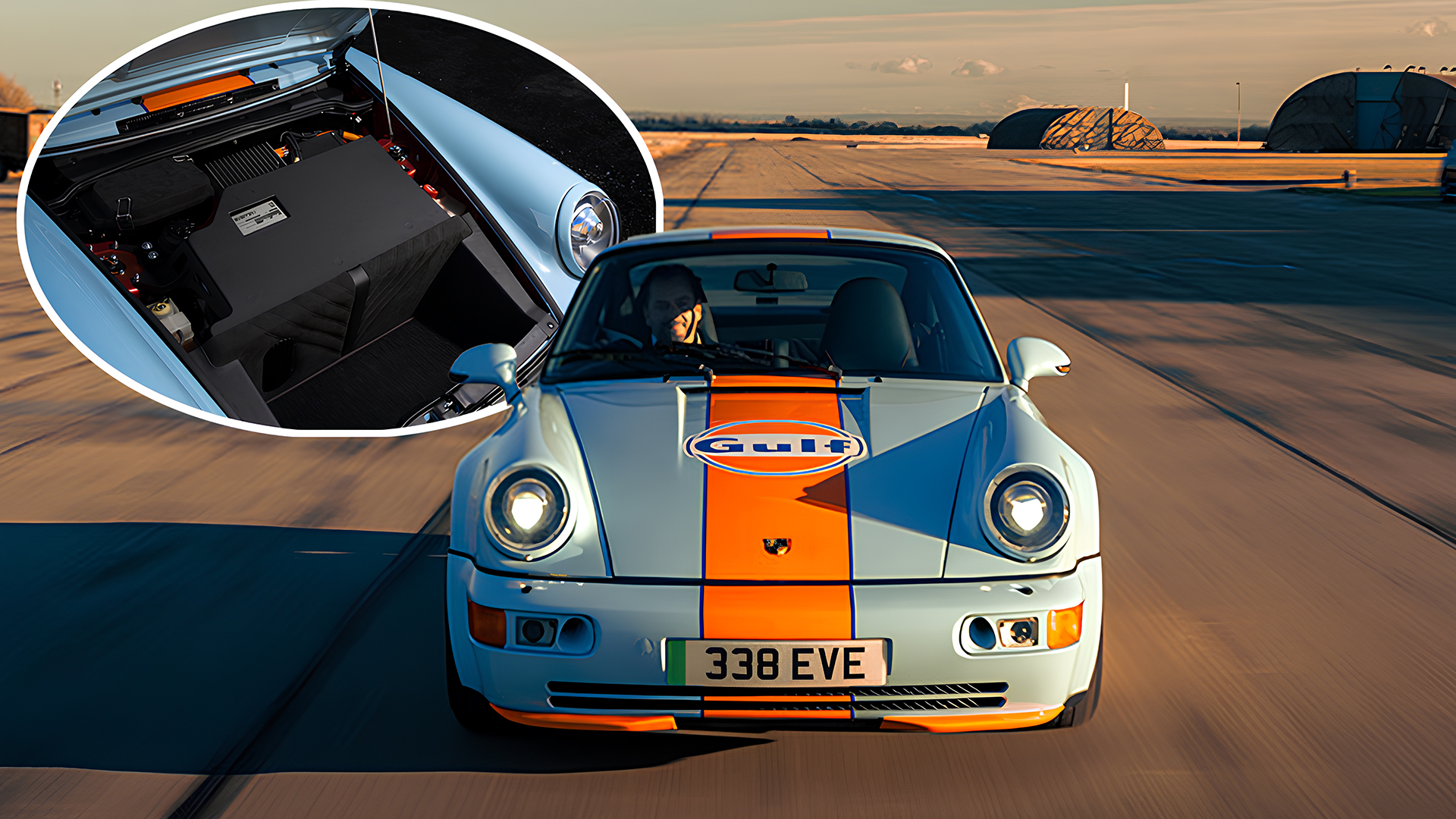
TLDR: The integration of electric powertrains into classic cars is gaining traction, offering a sustainable alternative to traditional combustion engines. This trend combines nostalgic design with modern efficiency, allowing enthusiasts to maintain classic aesthetics while enhancing performance and reducing emissions. It marks a significant step towards sustainable automotive innovation.
As the automotive industry continues to evolve, a fascinating trend is emerging: the integration of classic cars with modern electric powertrains. Enthusiasts and innovators are finding ways to breathe new life into vintage vehicles while promoting sustainability and reducing emissions. This convergence of nostalgia and innovation is paving the way for a new era in automotive engineering.
Classic cars hold a special place in the hearts of many, symbolizing a bygone era of design and craftsmanship. However, as environmental concerns mount, the traditional internal combustion engines of these vehicles are often seen as outdated. Enter the electric powertrain—a clean, efficient alternative that not only helps mitigate the environmental impact of driving but also enhances performance in many cases.
Several companies and startups are already at the forefront of this movement, offering conversion kits that allow classic car owners to replace their gas engines with electric ones. This not only extends the lifespan of these cherished automobiles but also provides the opportunity for customization and improvement in handling and acceleration. By integrating electric motors, these vehicles can achieve instant torque, making them surprisingly agile compared to their original counterparts.
Moreover, the aesthetic appeal of classic cars remains intact. Many conversion specialists focus on maintaining the original look and feel of the vehicle while updating its functionality. This means that owners can enjoy the best of both worlds: the classic design they love, paired with the efficiency and performance of modern technology.
As electric vehicle technology advances, the possibilities for retrofitting classic cars are expanding. Innovations like improved battery technology and regenerative braking systems are making it easier and more cost-effective to convert these vehicles. Additionally, as more drivers become environmentally conscious, the demand for sustainable transportation options is likely to grow, further encouraging this trend.
In conclusion, the fusion of classic cars with electric powertrains is not just a passing trend but a significant step towards a more sustainable future. As more enthusiasts embrace this transformation, the automotive landscape will continue to evolve, honoring the past while embracing the future. This unique blend of heritage and innovation creates exciting opportunities for both car lovers and the environment.
Please consider supporting this site, it would mean a lot to us!
