



TLDR: Recent advancements in agricultural waste management utilize microwave-engineered biochar to enhance carbon dioxide capture and improve soil health. This efficient method transforms agricultural byproducts into biochar, promoting sustainable agriculture and reducing greenhouse gas emissions, while enriching soil fertility and water retention.
Recent advancements in agricultural waste management have led to the development of a novel method utilizing biochar to enhance carbon dioxide capture. This innovative technique employs microwave engineering to transform agricultural byproducts into biochar, which not only improves soil health but also plays a crucial role in carbon capture and storage.
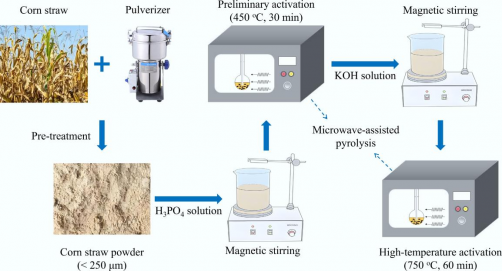
The process begins with the use of agricultural waste, such as crop residues, which are typically discarded or burned, contributing to greenhouse gas emissions. By applying microwave technology, researchers are able to convert these waste materials into biochar more efficiently compared to traditional methods. This approach significantly reduces the energy required for the pyrolysis process, making it a more sustainable option.
Biochar is known for its ability to sequester carbon when added to soil, thus mitigating climate change impacts. The engineered biochar produced through this microwave technique has shown enhanced properties for capturing carbon dioxide, making it a promising solution for reducing atmospheric CO2 levels.
This innovative approach not only addresses waste management challenges but also supports sustainable agriculture by improving soil quality. The biochar created from agricultural waste enriches the soil, enhancing its fertility and water retention capabilities. This dual benefit of waste reduction and soil enhancement positions microwave-engineered biochar as a valuable asset in the fight against environmental degradation.
Moreover, the successful implementation of this technology could lead to greater adoption of sustainable agriculture practices, promoting a circular economy where waste is minimized and resources are utilized efficiently. As researchers continue to explore the full potential of this method, it could pave the way for innovative solutions to some of the pressing challenges faced in both agriculture and environmental sustainability.
In conclusion, the microwave-engineered biochar not only unlocks the potential of agricultural waste but also provides a fast and efficient means of carbon dioxide capture, showcasing a significant step forward in carbon management strategies and sustainable farming practices.
Please consider supporting this site, it would mean a lot to us!
