



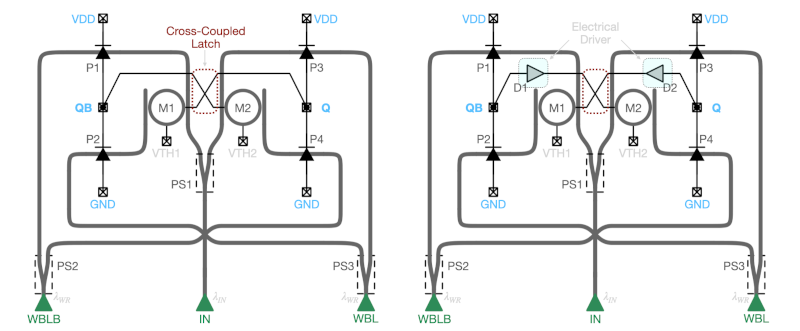
TLDR: Researchers have developed a method to achieve memory operations at the speed of light using photonic technology, potentially revolutionizing data processing and storage. This innovation addresses the performance bottleneck of traditional memory systems, promising faster, more efficient computing with applications in AI and quantum computing.
Recent advancements in the field of memory technology have opened up exciting possibilities for faster computing systems. A team of researchers has developed a groundbreaking method to achieve memory operations at the speed of light, which could revolutionize how data is processed and stored. This innovation is set to address the long-standing bottleneck in computing performance caused by traditional memory systems.
The research focuses on using light pulses to transmit data, effectively bypassing the limitations of electrical signals that govern current memory technologies. By employing a photonic approach, the team has demonstrated that it is possible to manipulate data using light, significantly increasing the speed at which information can be accessed. Such a leap in technology not only enhances performance but also reduces energy consumption, making it a sustainable option for future computing systems.
This new method relies on the principles of photonic integrated circuits, which allow for the integration of light-based components onto a single chip. The implications of this technology are profound, as it opens the door to new architectures in computing that can handle larger volumes of data at unprecedented speeds. The potential applications range from advanced artificial intelligence to high-performance computing, where speed and efficiency are paramount.
Moreover, the ability to store and retrieve data using light could lead to the development of next-generation quantum computing systems, which promise to further enhance computational capabilities. As the demand for faster and more efficient data processing continues to grow, technologies like these will be essential in meeting future challenges.
While this technology is still in the experimental phase, the researchers are optimistic about its future applications. As they continue to refine their approach, we may soon witness a shift in how we think about computer memory and its role in computing. This innovation not only signifies a leap in performance but also represents a significant step towards a future where data can be accessed and processed at the speed of light, fundamentally transforming the computing landscape.
Please consider supporting this site, it would mean a lot to us!
