



TLDR: Recent advancements in solar research, driven by technology and new observatories like the Solar Orbiter and Parker Solar Probe, are enhancing our understanding of solar activity and its impact on Earth. The integration of AI is improving data analysis, aiding in predicting solar storms and their effects on technology and health.
In recent years, the field of solar discovery has entered a transformative phase, driven by advancements in technology and a growing understanding of the Sun's dynamics. Researchers are now uncovering intricate details about solar activity, which plays a crucial role in influencing space weather and its impact on Earth. With the launch of cutting-edge missions, scientists are equipped with new tools that enhance our ability to study solar phenomena.
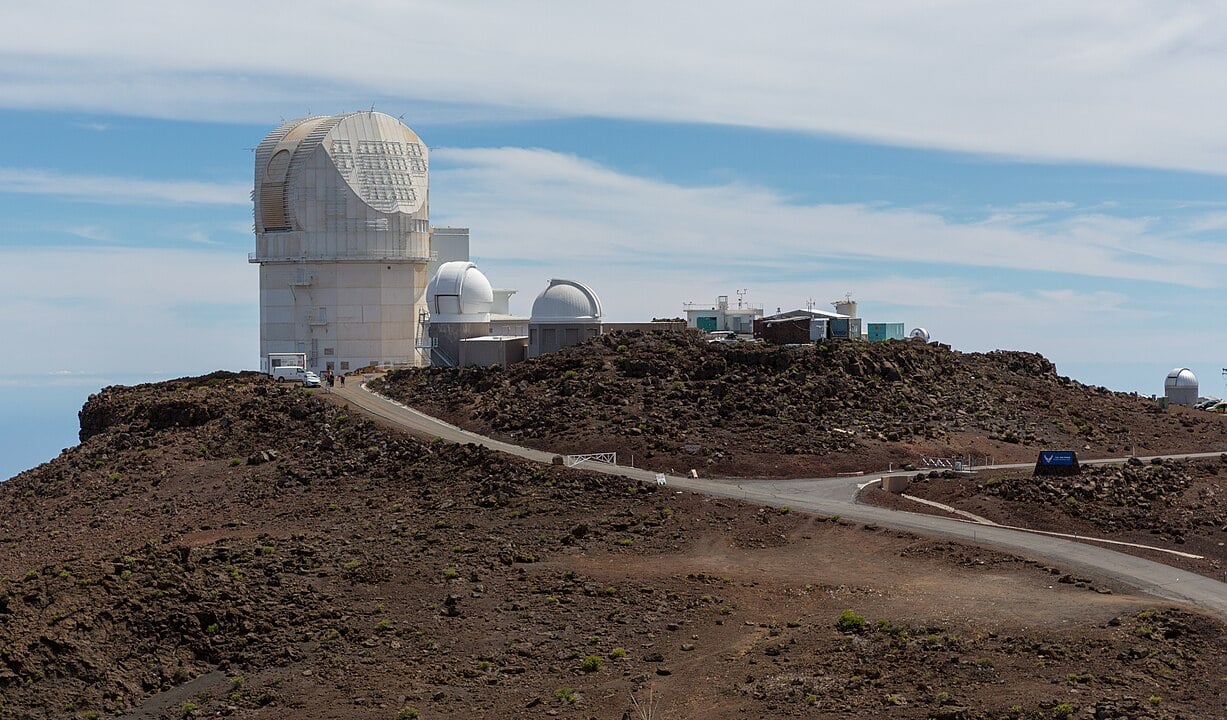
One of the most significant developments is the increasing number of dedicated solar observatories that have been deployed. These facilities are designed to monitor solar radiation, magnetic fields, and the solar wind, providing invaluable data to researchers. For instance, missions like the Solar Orbiter and the Parker Solar Probe are yielding unprecedented insights into the Sun's behavior and its influence on the heliosphere, the region of space dominated by solar wind.
Moreover, the integration of machine learning and artificial intelligence in analyzing solar data is revolutionizing the way scientists interpret complex solar activities. This technology enables researchers to process vast amounts of data quickly and identify patterns that may not have been discernible through traditional methods. As a result, there is a growing capacity to predict solar storms and their potential effects on satellite communications, power grids, and even human health.
The importance of studying solar phenomena extends beyond academic interest; it has real-world implications. Understanding solar activity can help mitigate risks associated with space weather, which can disrupt technological systems on Earth. This burgeoning field is fostering collaboration among scientists globally, as interdisciplinary approaches are proving essential in tackling the challenges posed by solar dynamics.
In conclusion, we are witnessing a golden era of solar research characterized by innovative technologies and collaborative efforts. The future holds the promise of deeper insights into the Sun's behavior, paving the way for advancements that could protect our planet and enhance our understanding of the cosmos. This is just the beginning of what is expected to be an exciting journey into the heart of solar phenomena.
Please consider supporting this site, it would mean a lot to us!
