



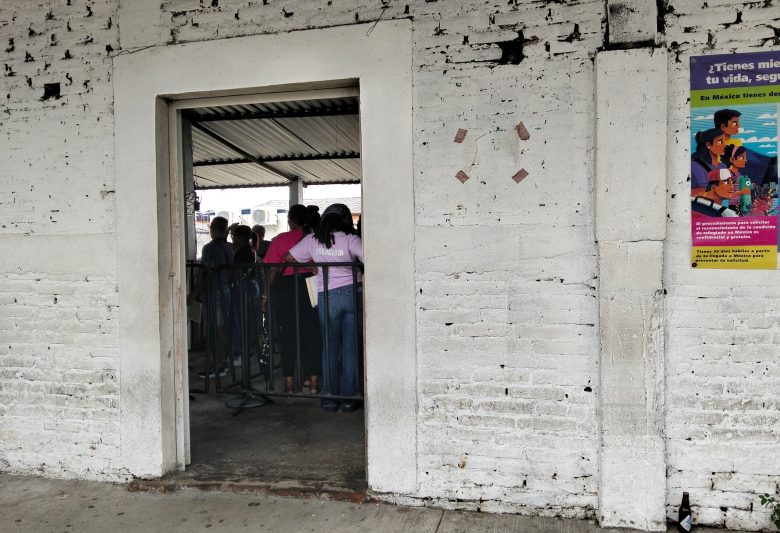
TLDR: New U.S. immigration policies are complicating asylum seekers' journeys, forcing many to wait in Mexico amid safety concerns. Activists urge a more humane approach, emphasizing the need to balance national security with humanitarian responsibilities. The ongoing situation raises critical questions about the treatment of vulnerable individuals seeking refuge.
The situation for asylum seekers in the United States has taken a significant turn as new policies are being implemented. Many individuals fleeing violence and persecution in their home countries are now facing challenges that complicate their journey to safety. The recent changes in the U.S. immigration system have led to an increase in the number of asylum seekers waiting in Mexico while their applications are processed. This shift in policy has raised concerns about the safety and well-being of those who are vulnerable and in need of protection.
Asylum seekers from various countries, including those from Central America and beyond, are now finding themselves in precarious situations as they await decisions on their cases. The increased enforcement measures and stringent requirements mean that many individuals must remain in Mexico for extended periods, facing the risks associated with living in a country that may not provide adequate safety or resources. Reports of violence and exploitation in border cities are alarming, raising questions about the humanitarian implications of these policies.
Activists and organizations dedicated to supporting refugees are calling for the U.S. government to reconsider these policies, emphasizing the need for a more humane approach to immigration and asylum processing. They argue that individuals seeking refuge should not have to endure additional hardships while waiting for their claims to be evaluated. The ongoing debate highlights the complexities of the U.S. immigration system and the challenges faced by those seeking safety.
In light of these developments, it is crucial for policymakers to balance national security concerns with humanitarian obligations. The plight of asylum seekers should serve as a reminder of the responsibilities nations have to protect those fleeing persecution. As discussions continue, it remains to be seen how these policies will evolve and what impact they will have on the future of asylum seekers in the United States.
Please consider supporting this site, it would mean a lot to us!
