



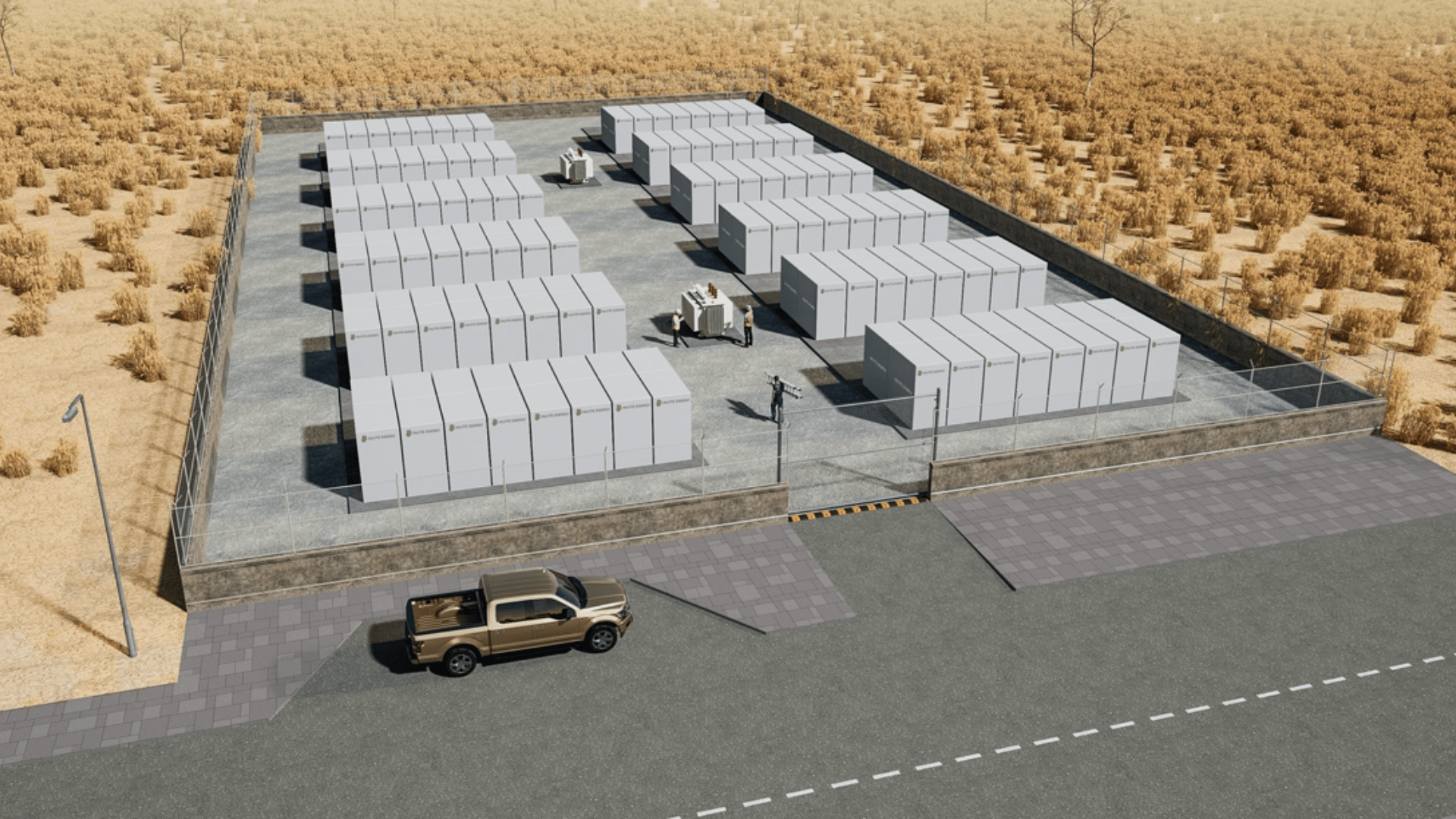
TLDR: Researchers have developed an innovative iron-sodium battery that is cost-effective, environmentally friendly, and a viable alternative to lithium-ion batteries. It offers competitive performance, high energy density, and enhanced safety, making it ideal for various applications in renewable energy and electric vehicles, supporting the transition to sustainable energy solutions.
In a groundbreaking advancement for energy storage technology, researchers have developed an innovative iron-sodium battery that is poised to revolutionize the way we store and utilize energy. This new battery type is not only cost-effective but also environmentally friendly, making it a viable alternative to traditional lithium-ion batteries.
The iron-sodium battery leverages abundant materials, namely iron and sodium, which are significantly cheaper and more plentiful compared to lithium. This shift could lead to a reduction in production costs and make energy storage solutions more accessible to a wider range of applications. With the growing demand for efficient energy storage systems, especially in renewable energy sectors, this innovation comes at a crucial time.
One of the standout features of this battery technology is its potential for high energy density and longevity. Researchers have indicated that the iron-sodium battery can deliver competitive performance, comparable to its lithium counterpart. This means that industries reliant on energy storage, such as electric vehicles and renewable energy grids, could benefit immensely from this advancement.
Moreover, the iron-sodium battery demonstrates remarkable stability and safety, addressing some of the concerns associated with lithium-ion batteries, such as overheating and the risk of fires. The introduction of these batteries could enhance the overall reliability of energy storage systems, making them a safer option for various applications.
As the world moves towards sustainable energy solutions, the iron-sodium battery could play a pivotal role in reducing our dependency on fossil fuels. Its potential for scalability means that it could be deployed across various sectors, from residential energy storage to large-scale industrial applications. This innovation not only supports the transition to greener technologies but also aligns with global efforts to mitigate climate change through the adoption of more sustainable practices.
In conclusion, the emergence of the iron-sodium battery signifies a promising step forward in the realm of energy storage. With its economical and eco-friendly attributes, this battery technology could reshape industries and contribute significantly to the global energy landscape. As research progresses and production scales up, we may soon see these batteries becoming a commonplace solution in our quest for sustainable energy systems.
Please consider supporting this site, it would mean a lot to us!
