



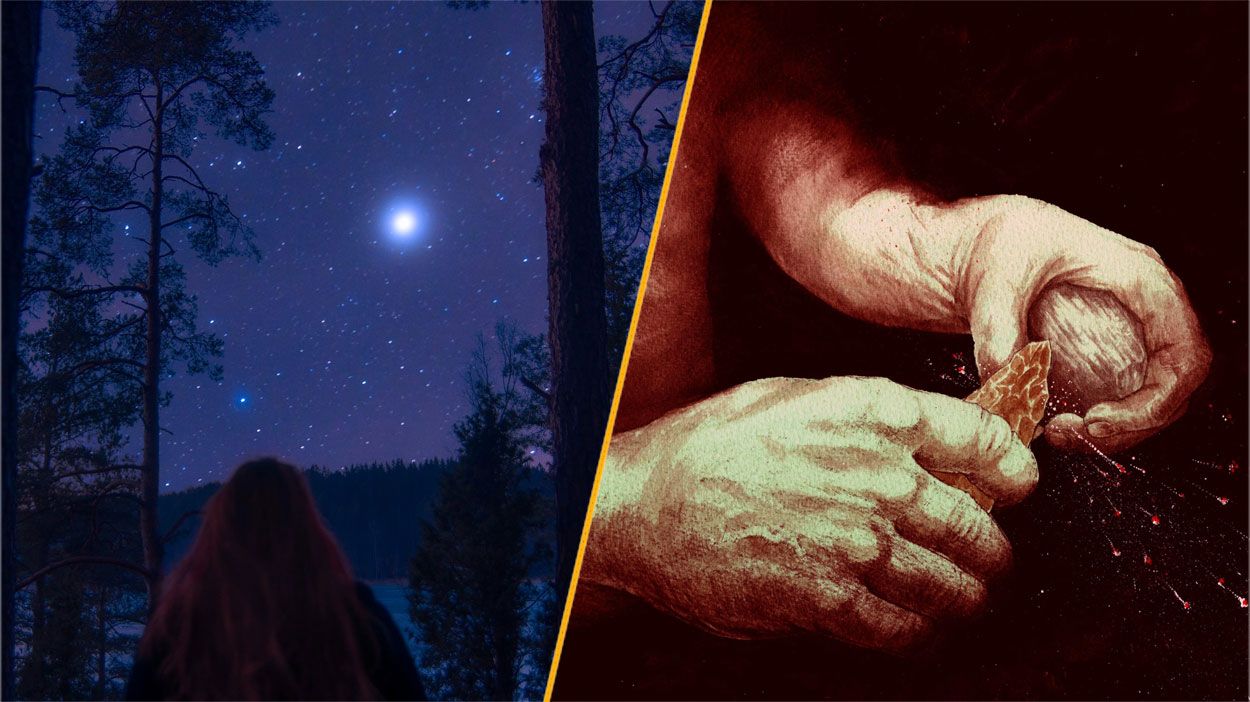
TLDR: Recent scientific discoveries highlight Neanderthals' advanced fire management skills, a collaboration between orcas and dolphins in hunting, and a new theory about the Star of Bethlehem's celestial origins. These findings enhance our understanding of ancient humans, modern wildlife, and historical astronomical events.
This week in science has been bustling with intriguing discoveries and revelations that shed light on our world and its history. One of the most notable findings revolves around the capabilities of Neanderthals. Recent research indicates that these ancient humans may have been more adept at creating and using fire than previously thought. Evidence suggests they developed the skill to manage fire efficiently, which played a crucial role in their survival and adaptation during harsh climates.
In a fascinating look at marine life, scientists have uncovered a unique partnership between orcas and dolphins. These intelligent species have been observed collaborating to hunt for prey, showcasing their complex social behaviors and communication skills. This collaboration not only highlights their adaptability but also offers insights into the social structures of these marine mammals.
Additionally, researchers have delved into the mystery of the Star of Bethlehem. A recent study proposes that this celestial phenomenon may have been caused by a rare alignment of planets, providing a scientific perspective on a long-standing biblical enigma. This exploration into astronomical events not only fascinates historians but also engages astronomers in understanding the skies of ancient times.
These discoveries from the past week underline the importance of ongoing research and exploration in various fields of science. From understanding our ancient ancestors to observing the behaviors of present-day wildlife, each finding contributes to a broader comprehension of our planet and its history. As we continue to uncover these secrets, the interplay between ancient and modern science remains a captivating journey.
Please consider supporting this site, it would mean a lot to us!
