



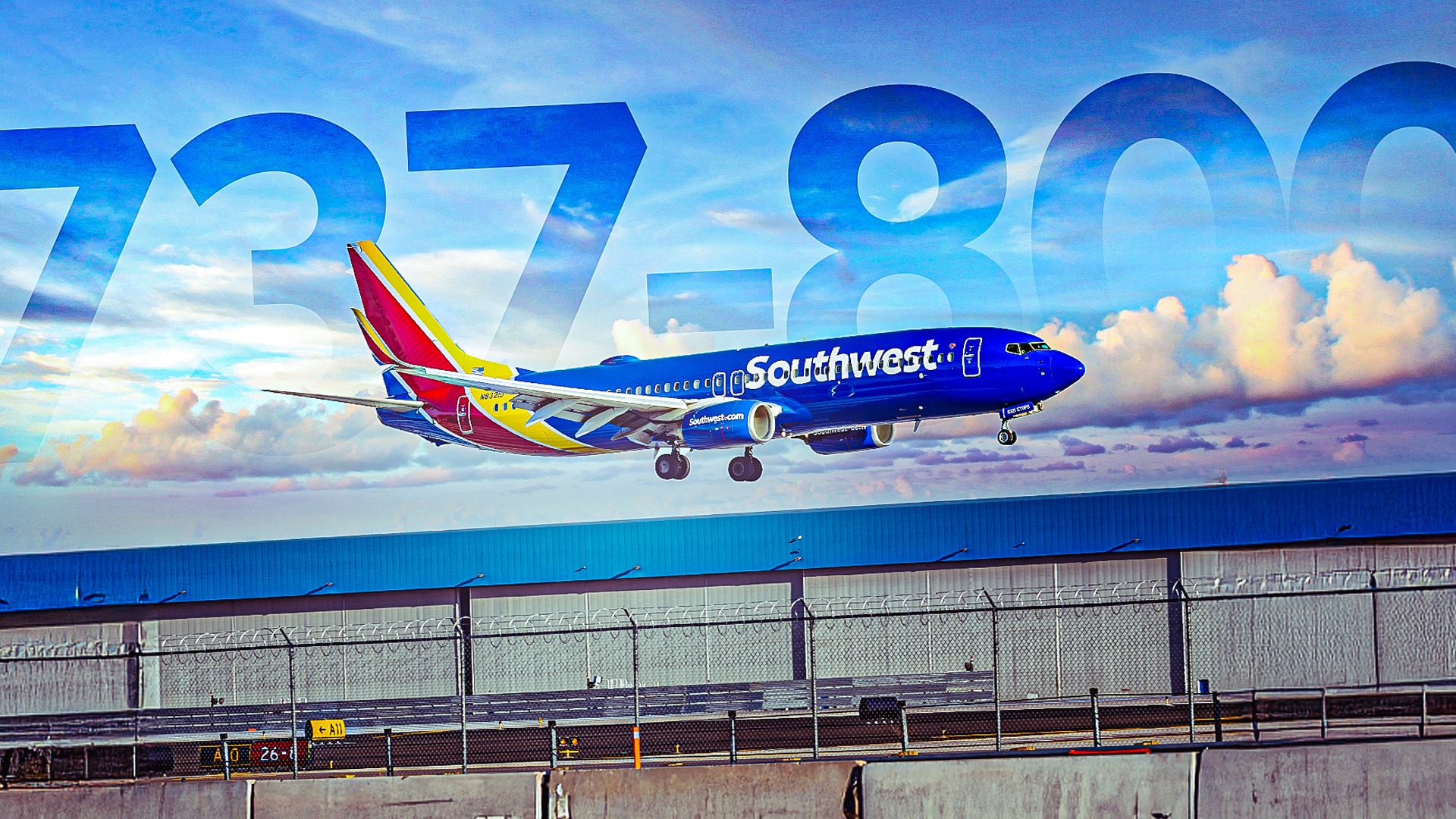
TLDR: A Southwest Airlines captain's actions led to a near-miss accident during takeoff at Orlando Airport, prompting an NTSB investigation. The incident highlighted critical failures in communication and protocol adherence, emphasizing the need for ongoing training to enhance aviation safety and prevent similar occurrences in the future.
In a significant incident involving Southwest Airlines, a captain's actions have been attributed to a near-miss accident during takeoff at Orlando International Airport. The event, which occurred last year, has drawn attention from the National Transportation Safety Board (NTSB), leading to a thorough investigation into the circumstances surrounding the flight.
On the day of the incident, the aircraft was preparing for departure when it began to taxi onto a runway without proper clearance. The NTSB's preliminary report indicates that the captain failed to adhere to standard protocols, which nearly resulted in a collision with another aircraft that was already on the runway. Fortunately, the crew of the second aircraft was able to take evasive action, averting a potentially catastrophic accident.
The NTSB's findings highlight the importance of communication and situational awareness in aviation safety. The captain's misjudgment was noted as a critical factor in this near-miss scenario. This incident serves as a stark reminder of the complexities involved in air traffic control and the necessity for pilots to remain vigilant and adhere to established procedures.
In response to the investigation, Southwest Airlines has stated their commitment to ensuring safety and compliance with all regulations. The airline has emphasized the importance of ongoing training and adherence to protocols to prevent similar incidents in the future.
As the NTSB continues its investigation, the aviation community is watching closely. The outcome may lead to revised guidelines and heightened emphasis on pilot training and operational discipline across the industry. This incident underscores the need for constant vigilance in the skies, ensuring that safety remains the top priority for all airlines and their crews.
The aviation industry is no stranger to challenges, and incidents like this highlight the ongoing need for improvement and adherence to safety practices. As investigations conclude and findings are made public, the hope is that lessons learned will enhance safety standards and prevent future occurrences.
Please consider supporting this site, it would mean a lot to us!
