



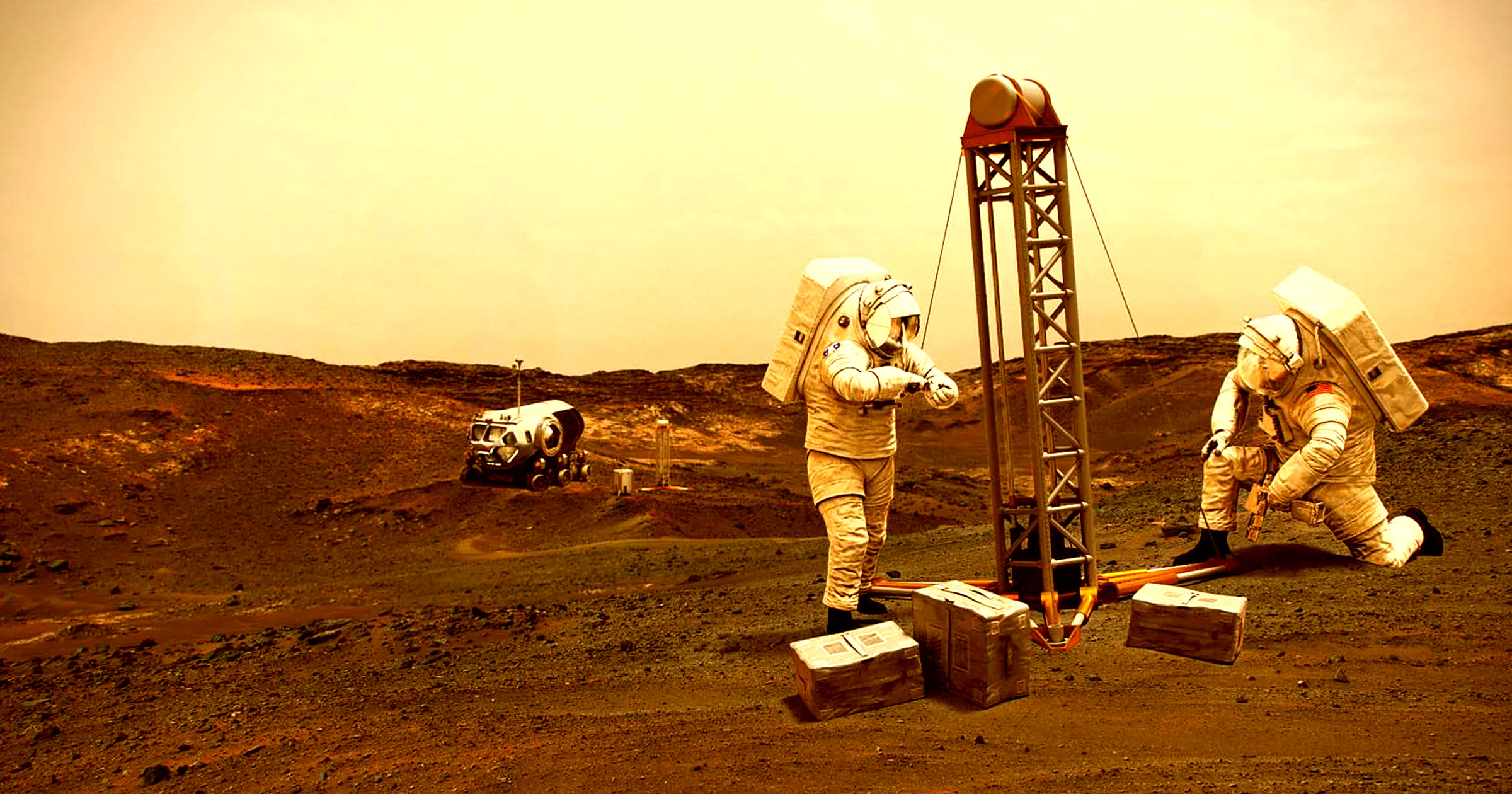
TLDR: Humanity is nearing the realistic prospect of landing astronauts on Mars within the next decade, driven by advancements in technology and international collaboration. Key challenges include life-support systems and crew well-being, as researchers focus on sustainable solutions for long-duration space missions.
As humanity stands on the brink of a new era in space exploration, the prospect of landing astronauts on Mars is becoming increasingly tangible. NASA and various space agencies around the world are actively developing missions that may take humans to the Red Planet within the next decade. The technological advancements and collaborative efforts in the field of space exploration have set the stage for this monumental achievement.
The journey to Mars presents unique challenges, including the need for advanced life-support systems, radiation protection, and sustainable habitats. Researchers are focusing on creating reliable systems that can support human life for extended periods, as the round trip to Mars could take approximately two to three years. This necessitates innovative solutions for food, water, and air recycling, ensuring that astronauts can thrive in an environment vastly different from Earth.
Moreover, the psychological and physical health of the crew is crucial for the success of a manned mission. Studies are being conducted to understand the effects of long-duration spaceflight on the human body, emphasizing the importance of maintaining mental well-being during the journey. Building a resilient team that can cope with isolation and the challenges of space travel is as important as the technical aspects of the mission.
International partnerships play a vital role in this endeavor, as countries collaborate on research and resources to facilitate the journey to Mars. The prospect of establishing a human presence on another planet serves not only as a scientific pursuit but also as a unifying goal for humanity. The potential for discoveries and advancements in technology arising from this mission could have far-reaching implications for life on Earth and beyond.
In summary, the dream of landing astronauts on Mars is no longer a distant fantasy but a forthcoming reality shaped by innovation and international cooperation. As preparations intensify, the world watches in anticipation of what lies ahead, with the hope that this endeavor will inspire future generations to explore and cherish the wonders of our universe.
Please consider supporting this site, it would mean a lot to us!
