



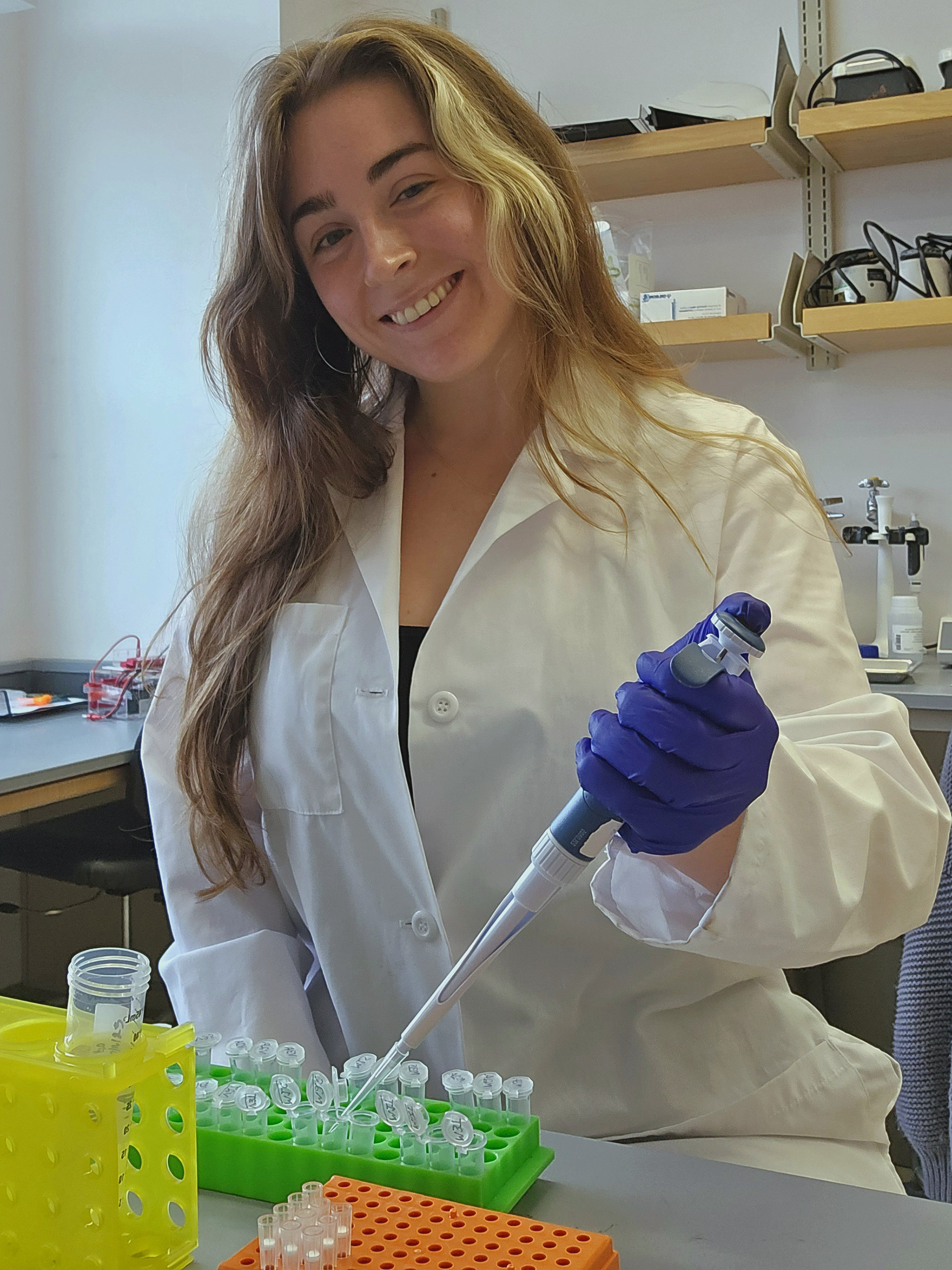
TLDR: A Clemson graduate student has developed a nanotechnology-based therapy for heart disease that uses engineered nanoparticles to deliver medication directly to affected areas, enhancing drug effectiveness and minimizing side effects. This innovative approach may revolutionize heart disease treatment and has potential applications in other medical fields.
A nanotechnology-based therapy has emerged as a groundbreaking approach to treating heart disease, thanks to the innovative research of a dedicated Clemson graduate student. This cutting-edge therapy utilizes tiny particles to deliver medication directly to the affected areas of the heart, potentially revolutionizing the way heart disease is managed.
Heart disease remains one of the leading causes of death globally, highlighting the urgent need for more effective treatments. Traditional methods often involve systemic medication delivery, which can lead to side effects and reduced efficacy. The new therapy developed by the graduate student aims to overcome these challenges by harnessing the precision of nano particles. These particles can be engineered to target specific tissues, ensuring that the therapeutic agents are released right where they are needed most.
The research focuses on the application of these nanoparticles in delivering drugs to cardiac cells. By attaching the medications to these particles, the therapy can enhance the absorption and effectiveness of the drugs, potentially leading to improved patient outcomes. This innovative approach not only promises to increase the effectiveness of treatments but also aims to minimize side effects often associated with conventional therapies.
The implications of this research extend beyond heart disease; it opens doors for similar applications in other medical fields where targeted delivery of drugs can make a significant difference. The student's work is a testament to the potential of biomedical research and the importance of innovative thinking in tackling some of the most pressing health challenges of our time.
As this promising therapy continues to evolve, the hope is that it will pave the way for new standards in heart disease treatment, providing patients with safer and more effective options. The ongoing work in this area highlights the vital role of young researchers in shaping the future of medicine, demonstrating that with creativity and dedication, substantial advancements can be achieved in the fight against heart disease.
Please consider supporting this site, it would mean a lot to us!
