



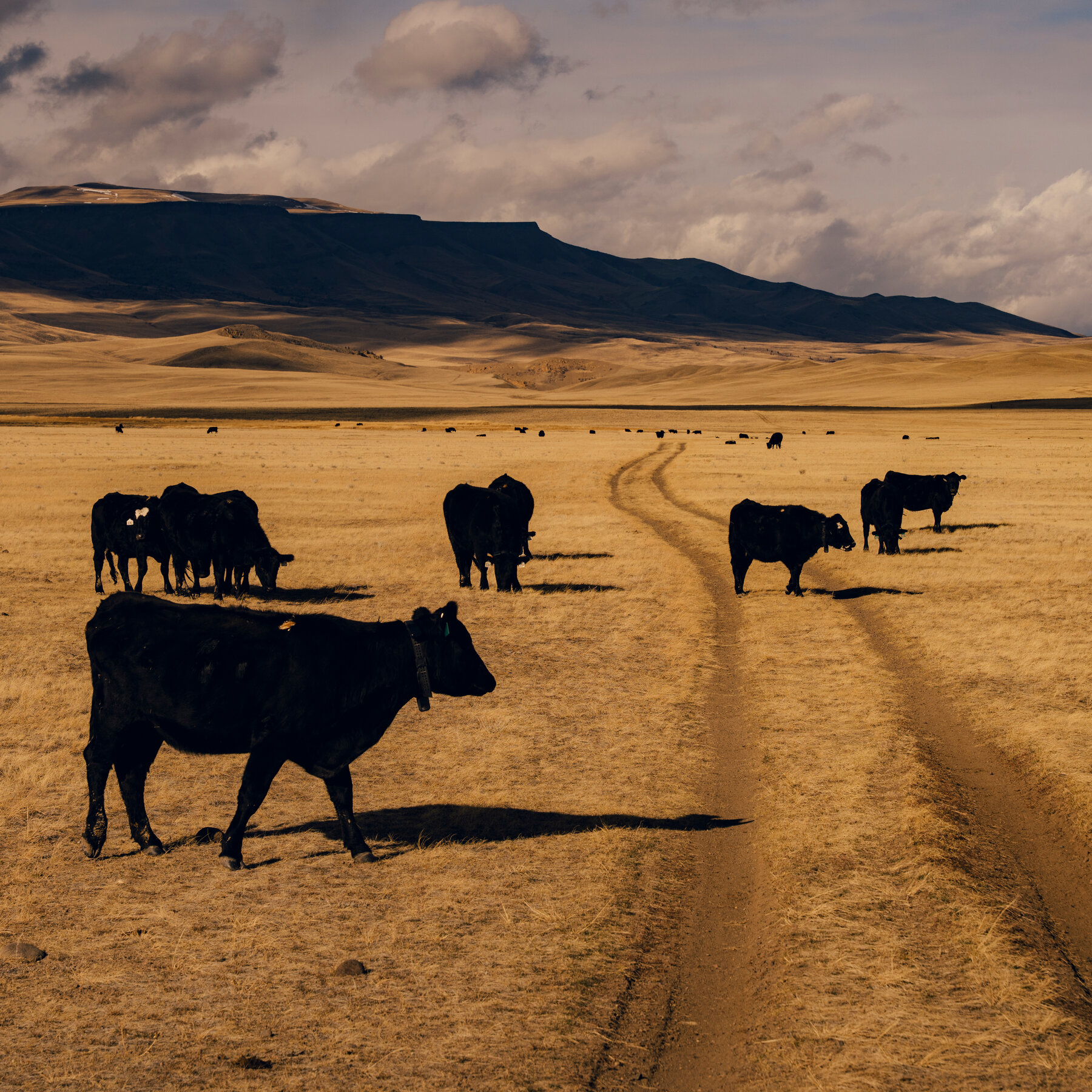
TLDR: Ranchers in Wyoming are embracing virtual fencing technology, which uses GPS and wearable collars to manage livestock more efficiently and humanely. This innovative approach enhances grazing practices, promotes sustainability, and aligns with climate change efforts, despite initial setup challenges. It represents a significant shift in traditional ranching methods.
In the vast landscapes of Wyoming, innovation is meeting tradition as ranchers adopt cutting-edge technology to manage their livestock. A new initiative involving virtual fences is transforming the age-old practice of herding by providing a more efficient and humane way to keep animals safe and contained.
The concept of virtual fencing relies on GPS technology and wearable collars for livestock. These collars communicate with a predetermined boundary set by the ranchers, allowing animals to roam freely within designated areas while preventing them from straying too far. This method not only reduces the need for physical barriers, which can be costly and labor-intensive to maintain, but also minimizes the environmental impact often associated with traditional fencing.
Ranchers in Wyoming are particularly enthusiastic about this technology as it offers a flexible approach to managing grazing patterns. By using virtual fences, they can easily shift grazing areas, allowing pastures to recover and promoting sustainable land use. This adaptability is crucial in a state where the landscape can be rugged and challenging, yet rich in resources for livestock.
Additionally, the use of virtual fencing aligns with broader efforts to combat climate change. By optimizing grazing practices, ranchers can contribute to improved soil health and carbon sequestration, helping to mitigate the effects of climate change. As ranchers see the benefits of this technology, there is growing interest in its implementation across various regions, potentially reshaping the future of livestock farming.
Despite the advantages, the transition to virtual fencing is not without its challenges. Initial setup costs can be high, and some ranchers express concerns about the reliability of technology in remote areas. However, proponents argue that the long-term benefits, including labor savings and enhanced animal welfare, far outweigh the initial hurdles.
As Wyoming embraces this technological advancement, it serves as a model for other agricultural sectors seeking to innovate. The integration of virtual fences is not just about keeping livestock in check; it's a step towards a more sustainable and efficient future in ranching. As more ranchers adopt these systems, the potential impact on agriculture and the environment could be profound.
Please consider supporting this site, it would mean a lot to us!
