



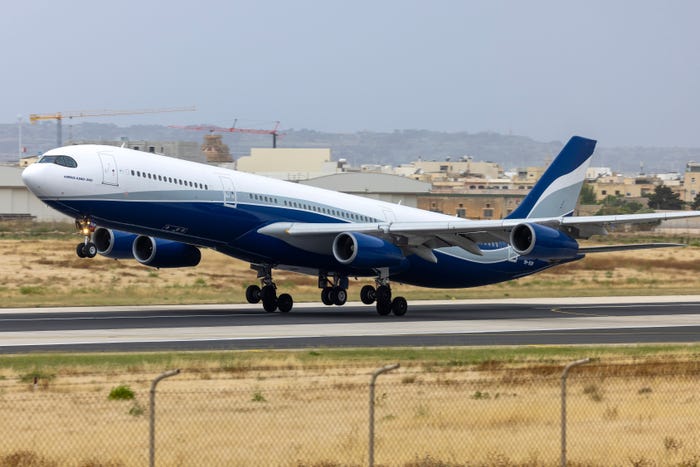
TLDR: Airlines are increasingly acquiring four-engine Airbus A340 and A380 models to meet changing travel demands and enhance operational efficiency. Despite environmental concerns, these aircraft are valued for their capacity on long-haul routes. The industry's future hinges on balancing fleet modernization with sustainability goals as they navigate evolving market needs.
The airline industry continues to evolve, and recent developments indicate a significant trend among global airlines acquiring four-engine Airbus planes, particularly the A340 and A380 models. This shift is fueled by various factors, including changing travel patterns, environmental concerns, and fleet modernization efforts. Airbus has long been a major player in the aviation market, and these aircraft have played pivotal roles in long-haul travel.
As airlines look to enhance their operational efficiency, many are revisiting their fleet strategies. The A340, known for its long-range capabilities, is gaining attention as carriers seek to offer non-stop flights on routes that demand high capacity. Despite being older models, these four-engine jets are being reconsidered for their ability to serve specific markets effectively. A340 offers airlines the flexibility to operate on various international routes, making it an attractive option.
Meanwhile, the Airbus A380, a double-decker aircraft, has been a flagship model for many airlines, especially for those operating in high-density markets. Although the A380 has seen a decline in demand due to the global shift towards more fuel-efficient, smaller aircraft, some airlines are finding ways to integrate this giant back into their fleets. The resurgence of demand for large-capacity aircraft on popular routes is prompting renewed interest in the A380, as it can carry more passengers than conventional models. Airlines are also leveraging the A380's spacious interiors to enhance the travel experience, catering to premium travelers.
Amidst these shifts, airlines are also facing increased pressure to reduce their carbon footprints. The four-engine models, while still relevant, are being scrutinized for their environmental impact. As a result, some airlines are exploring retrofitting options or investing in newer, more fuel-efficient aircraft. The industry is at a crossroads, balancing the need for capacity with sustainability goals.
As we look toward 2025 and beyond, the acquisition of four-engine Airbus planes signifies a strategic move by airlines to adapt to the changing landscape of air travel. With operational demands evolving and environmental considerations becoming paramount, the future of these aircraft will depend on how well airlines can integrate them into their overall fleet strategies while addressing the challenges of modern aviation.
Please consider supporting this site, it would mean a lot to us!
