



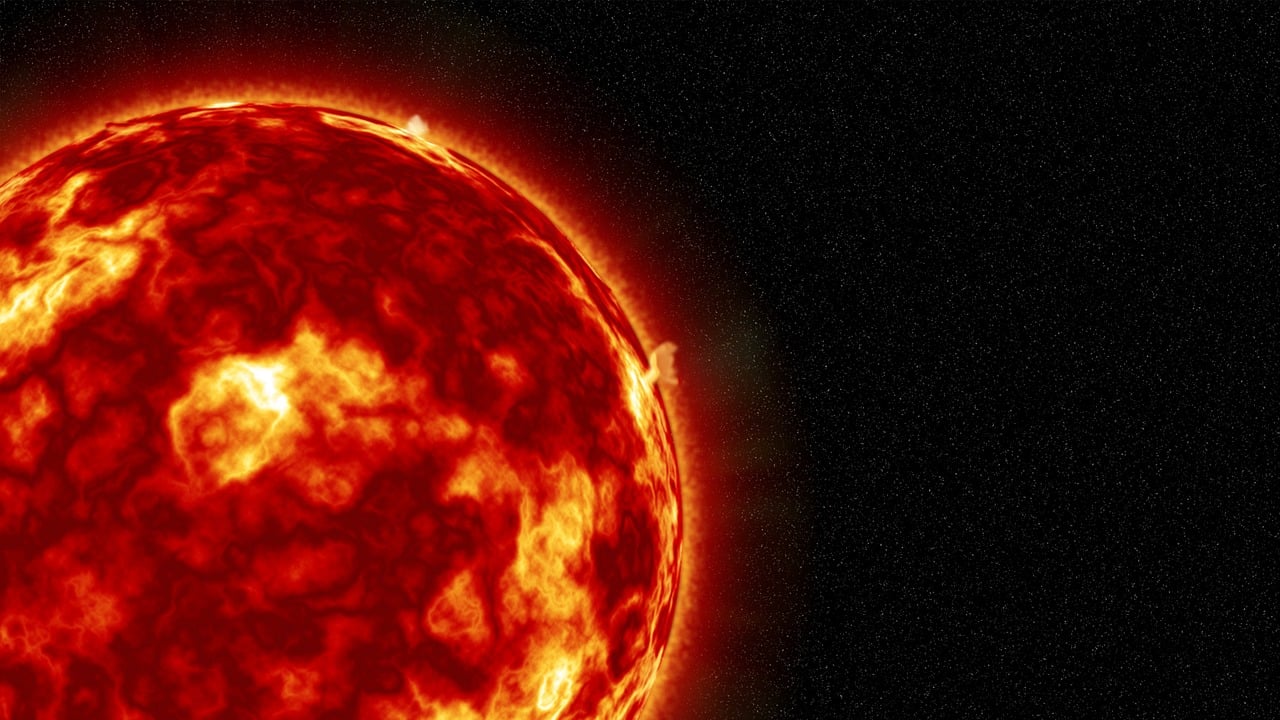
TLDR: The Sun's solar flares and coronal mass ejections (CMEs) can significantly impact space weather and disrupt Earth's technology. Understanding these phenomena is crucial for predicting their effects and safeguarding systems, highlighting the need for continuous monitoring and research to mitigate potential disruptions.
The Sun, our nearest star, is a dynamic and powerful entity that influences space weather and has the potential to disrupt life on Earth through various phenomena, including solar flares and coronal mass ejections (CMEs). Understanding these solar activities is crucial for predicting their effects on our planet and safeguarding technological systems.
Solar flares are intense bursts of radiation originating from the release of magnetic energy associated with sunspots. These explosions can emit a wide range of electromagnetic radiation, including X-rays and ultraviolet light. Although they occur frequently, the most significant flares can have profound implications for both space weather and terrestrial systems.
On the other hand, coronal mass ejections are large expulsions of plasma and magnetic field from the Sun's corona. When directed towards Earth, CMEs can trigger geomagnetic storms, which may disrupt satellites, navigation systems, and power grids. The potential for chaos prompted by these solar events underscores the importance of continuous monitoring and research into solar activities.
The impact of solar flares and CMEs on space weather can also lead to stunning auroras, commonly known as the Northern and Southern Lights. These natural light displays occur when charged particles from the Sun interact with Earth’s magnetic field. While such phenomena are visually spectacular, they can also signal the presence of more dangerous solar activities.
Scientists utilize various instruments, including satellites and ground-based observatories, to study and predict solar activity. This research is vital for developing early warning systems that can mitigate the effects of space weather on modern technology. As our reliance on satellite communication and navigation systems grows, understanding the Sun's behavior becomes increasingly important for national security and daily life.
In conclusion, the Sun's dynamic nature poses both opportunities and challenges. By enhancing our understanding of solar flares and CMEs, we can better prepare for potential disruptions caused by these powerful solar phenomena, ensuring the continued functionality of our technological infrastructure in the face of space weather chaos.
Please consider supporting this site, it would mean a lot to us!
