



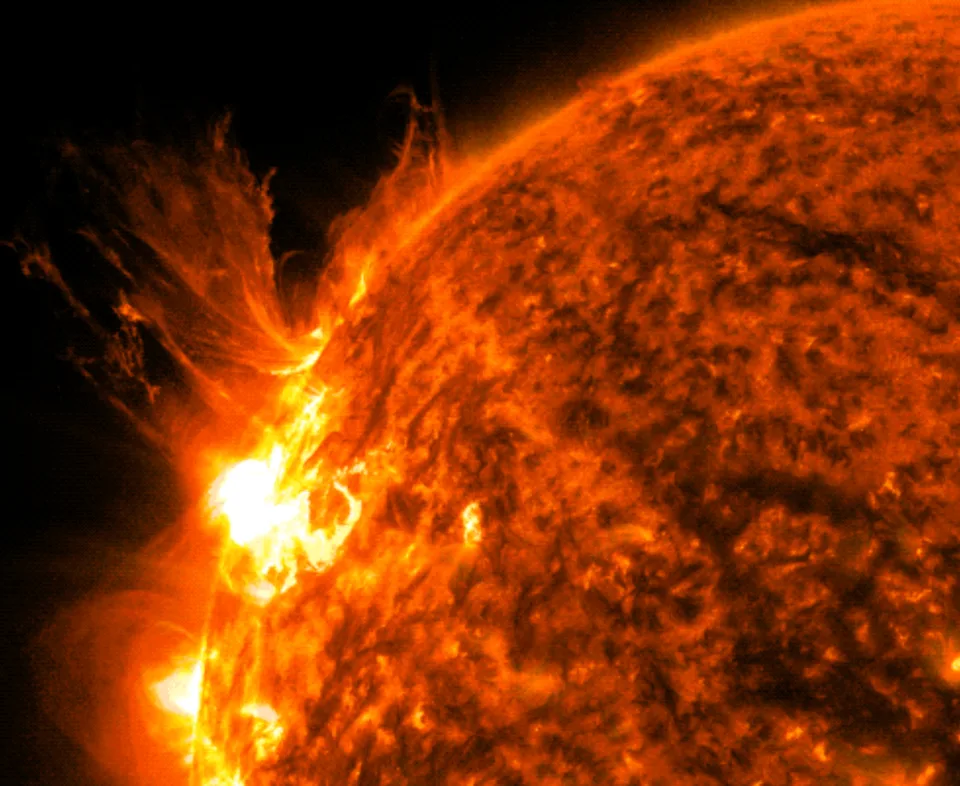
TLDR: The NOAA has issued a geomagnetic storm watch due to expected solar activity from coronal mass ejections. This may cause beautiful auroras and disrupt technology, including satellites and power grids. The storm highlights the sun's impact on Earth and the importance of monitoring such events.
The National Oceanic and Atmospheric Administration (NOAA) recently issued a geomagnetic storm watch due to an anticipated surge in solar activity. This alert is a result of a series of coronal mass ejections (CMEs) that have been observed, which are expected to impact Earth and potentially create disturbances in the planet's magnetic field. Such storms can lead to a variety of effects, including stunning auroras and disruptions to electronic systems.
The CMEs are large expulsions of plasma and magnetic fields from the sun's corona, and they often travel at high speeds. When these charged particles collide with Earth’s magnetic field, they can cause geomagnetic storms, which vary in intensity. The upcoming storm is predicted to reach a level that could cause significant disturbances, particularly in high-latitude regions where auroras are typically visible.
The increased solar activity is not only fascinating for scientists but also poses potential risks for satellite operations, power grids, and communication systems. During strong geomagnetic storms, satellites can experience malfunctions, and power grids may face voltage fluctuations that could lead to outages. It is crucial for utility companies and satellite operators to monitor these storm predictions closely to mitigate risks.
In addition to the technical implications, the geomagnetic storm is expected to produce spectacular visuals. People in areas closer to the poles, such as Canada and Scandinavia, may witness vibrant auroras dancing across the night sky, a stunning reminder of the sun's influence on Earth.
The NOAA encourages everyone to keep an eye on the forecast and be aware of how solar activity can affect our technology and environment. As solar storms become more frequent due to the sun's 11-year solar cycle, understanding their impact is essential for both scientific research and daily life.
In summary, the upcoming geomagnetic storm serves as a reminder of the dynamic nature of our solar system. With the potential for both beautiful displays and significant impacts on technology, it’s an exciting time for space weather enthusiasts and scientists alike.
Please consider supporting this site, it would mean a lot to us!
