



TLDR: Researchers have developed a peptide-based solution that enhances the regeneration efficiency of chili peppers, potentially improving crop yields and sustainability. This innovation stimulates plant growth and resilience, addressing rising global food demands and climate challenges in agriculture.
Researchers have made a significant advancement in agricultural science by developing a peptide-based solution that enhances the regeneration efficiency of chili peppers. This breakthrough holds great potential for improving crop yields and sustainability in the agricultural sector. The innovation focuses on the role of specific peptides that are crucial for plant growth and development.
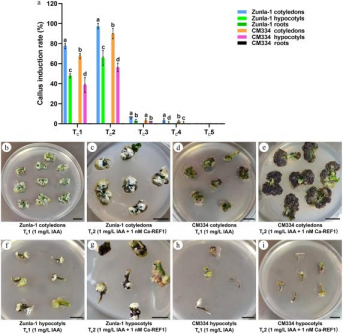
The study reveals that these peptides act as signaling molecules, effectively stimulating the regenerative processes in chili pepper plants. By optimizing the conditions under which these peptides are utilized, researchers observed a marked increase in the regeneration rates of the plants. This method not only boosts the efficiency of cultivation but also supports the plants' resilience against various environmental stresses.
Furthermore, this advancement is particularly timely, as global food demand continues to rise. Enhancing the efficiency of crop regeneration can play a vital role in meeting these demands while also addressing the challenges of climate change and resource scarcity. The application of this peptide-based technology could revolutionize how farmers approach crop management and sustainability.
As scientists continue to explore the potential of peptides in agriculture, this breakthrough serves as a promising step towards realizing more efficient farming methods. By integrating these findings into practical applications, farmers can expect improved growth rates and healthier crops, ultimately leading to a more sustainable agricultural future.
In summary, the development of peptide-based solutions for enhancing the regeneration efficiency of chili peppers is a noteworthy achievement in agricultural research. This innovative approach not only has the potential to increase crop yields but also contributes to the overall sustainability of agricultural practices in the face of growing food demands.
Please consider supporting this site, it would mean a lot to us!
