



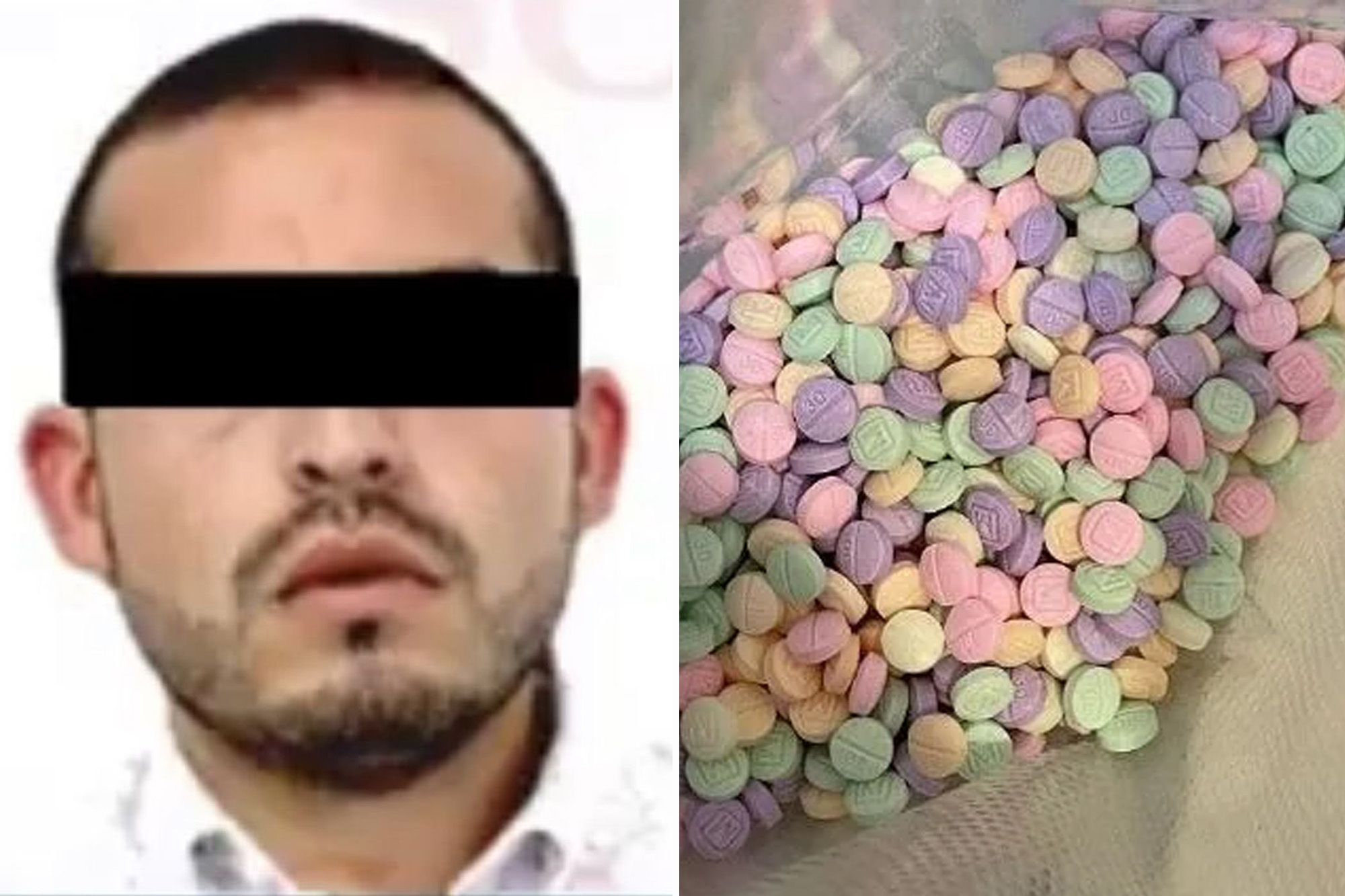
TLDR: Mexican military forces killed a top fentanyl trafficker linked to a major drug network, marking a significant move in combating the opioid crisis. While U.S. officials express cautious optimism, experts warn that drug cartels remain resilient and adaptive. Enhanced cooperation between the U.S. and Mexico is anticipated.
The ongoing battle against the devastating impact of fentanyl trafficking has taken a significant turn following the death of a prominent drug lord in Mexico. The Mexican military recently confirmed that they killed a top drug trafficker, who was one of the most wanted individuals in the United States, during a confrontation in a remote area of the country.
This individual was linked to a vast network responsible for the distribution of fentanyl, a synthetic opioid that has contributed to a dramatic rise in overdose deaths across the U.S. The U.S. government had placed a $5 million bounty on his head, highlighting the scale of his operations and the urgency of the situation. His organization was notorious for supplying large quantities of fentanyl, often mixed with other drugs, leading to increased fatalities.
The military operation that led to his death was part of a broader strategy aimed at dismantling the networks that are fueling the opioid crisis. The Mexican government has been under pressure from the U.S. to take more aggressive actions against drug cartels, particularly those involved in the production and trafficking of synthetic opioids.
In recent years, fentanyl has become a significant public health concern, with its potency making it 50 times stronger than heroin. Its prevalence in the illegal drug market has created a lethal combination, often resulting in users unknowingly consuming the substance in counterfeit pills or mixed with other narcotics.
The response from U.S. officials has been one of cautious optimism. While the elimination of such a high-profile trafficker is seen as a step in the right direction, experts warn that the fight against drug trafficking is far from over. Cartels are known for their resilience and ability to adapt, often quickly replacing lost leaders and continuing their operations.
As the situation develops, both countries are expected to enhance their cooperation to tackle the ongoing crisis. The implications of this military action may resonate across the border, as authorities in the U.S. continue to seek effective measures to combat the fentanyl epidemic. The fight against opioid crisis is critical, and the recent events underscore the need for a robust response to the challenges posed by drug trafficking organizations.
In conclusion, the death of this fentanyl trafficker marks a notable moment in the ongoing struggle against drug-related violence and the opioid epidemic. It reflects the urgent need for collaborative efforts between the U.S. and Mexico to address the root causes of drug trafficking and its devastating consequences.
Please consider supporting this site, it would mean a lot to us!
