



TLDR: The manufacturing industry is transforming through advancements in automation, particularly adaptive welding and AI-driven painting. These technologies enhance efficiency, reduce waste, and improve safety, enabling manufacturers to thrive in a competitive landscape. Embracing these innovations is crucial for future success in the evolving market.
The manufacturing industry is undergoing a significant transformation, driven by the latest advancements in automation technologies. Key breakthroughs in areas such as adaptive welding and artificial intelligence (AI) painting are reshaping critical factory processes, enhancing efficiency and productivity.
Adaptive welding technology is becoming a game-changer in the manufacturing landscape. This innovative approach allows robots to adjust their welding parameters in real-time, accommodating variations in materials and components. By leveraging sophisticated sensors and algorithms, these robots ensure consistent quality and reduce waste, leading to substantial cost savings for manufacturers.
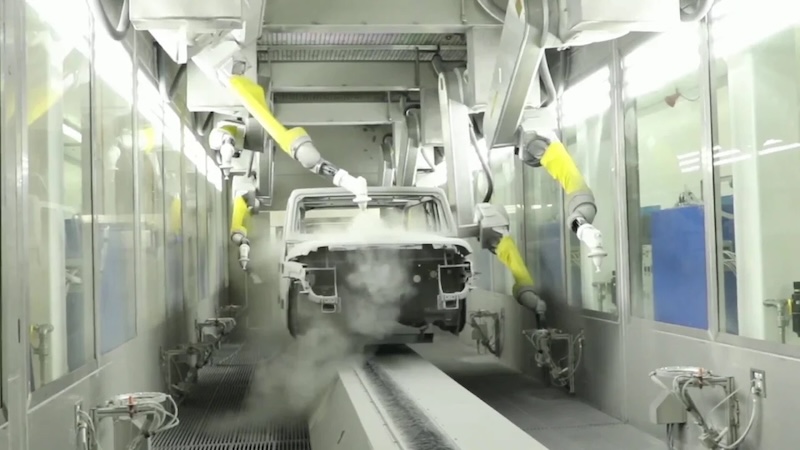
In addition to welding, AI-driven painting systems are revolutionizing the way products are finished in factories. Traditional painting methods often involve significant labor and time investment, but AI painting solutions enable precise control over the painting process. These systems analyze the surface conditions and adjust the paint application accordingly, resulting in a flawless finish while minimizing overspray and material consumption.
Moreover, the integration of robotics with AI is paving the way for smarter factories. Robots equipped with AI capabilities can learn from their environment, optimize their operations, and adapt to new tasks without extensive reprogramming. This flexibility is crucial in today's fast-paced manufacturing environment, where the demand for customized products continues to rise.
As factories adopt these advanced technologies, they also benefit from increased safety and reduced operational risks. Automated systems can handle hazardous tasks, allowing human workers to focus on higher-value activities. This shift not only enhances workplace safety but also leads to greater job satisfaction among employees.
The ongoing advancements in manufacturing technologies signal a bright future for the industry. Companies that embrace these innovations are likely to gain a competitive edge, positioning themselves for success in an increasingly automated world. With continued investment in research and development, the potential for further breakthroughs is immense, promising even more efficient and sustainable manufacturing processes.
In conclusion, the rise of adaptive welding and AI painting, alongside advancements in robotics, is transforming manufacturing processes fundamentally. As the industry continues to evolve, businesses must stay ahead of the curve by adopting these technologies to thrive in a dynamic market.
Please consider supporting this site, it would mean a lot to us!
