



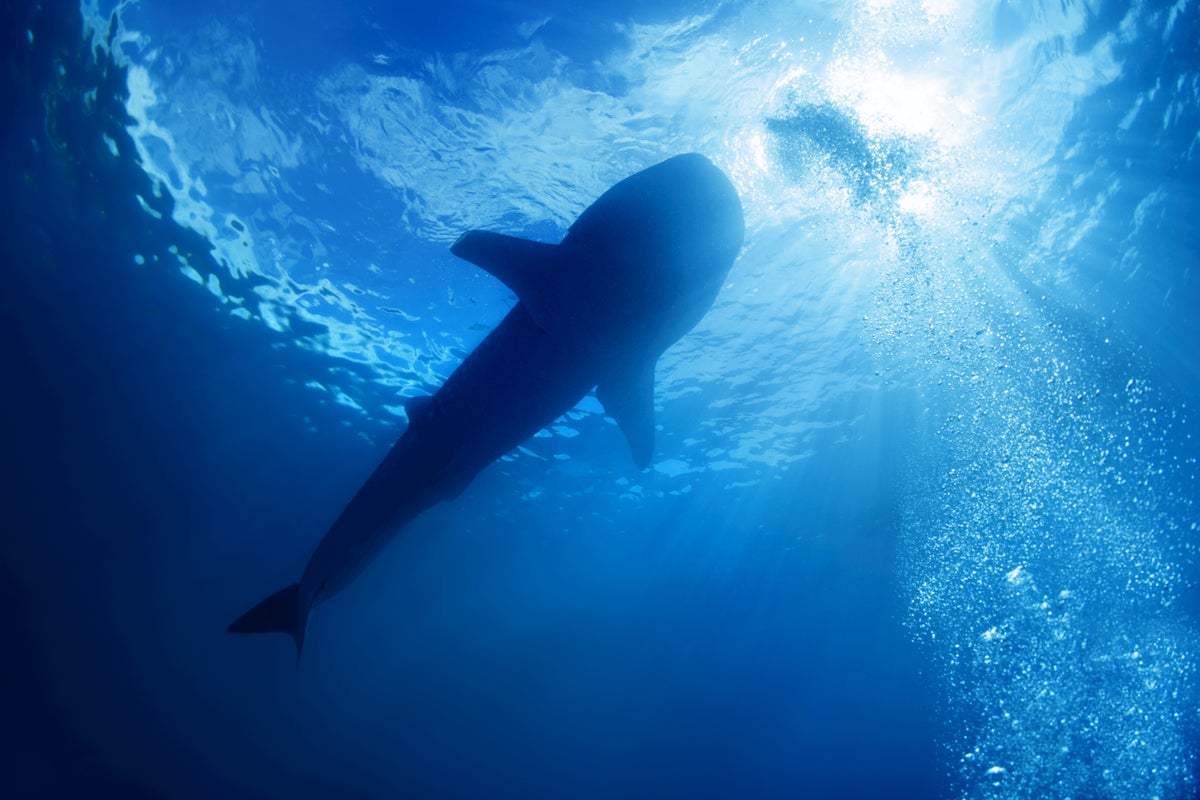
TLDR: Ancient marine species like sharks, rays, and whale sharks are under threat from human activities, necessitating immediate conservation efforts. Protecting these "living fossils" is essential for marine ecosystem health. Strategies include creating protected areas, stricter fishing regulations, and promoting sustainable ecotourism to ensure their survival.
In a world where biodiversity is increasingly threatened, a new conservation effort shines a light on the vital role of ancient marine species. Sharks, rays, and whale sharks are some of the oldest inhabitants of our oceans, often referred to as "living fossils" due to their long evolutionary history. These creatures have survived mass extinctions, but now face unprecedented threats from human activities, including overfishing and habitat destruction. Recent studies have highlighted the critical need for immediate conservation strategies to protect these unique species. The decline in their populations not only threatens their survival but also disrupts marine ecosystems, where they play an essential role as apex predators. As such, maintaining their presence is crucial for the health of ocean environments. Conservationists emphasize the importance of creating protected areas and implementing stricter fishing regulations. Such measures can significantly enhance the resilience of shark and ray populations, ensuring that these ancient creatures continue to thrive in their natural habitats. Furthermore, raising public awareness about the ecological significance of these species can foster a greater appreciation and support for conservation efforts. Additionally, the growing interest in ecotourism offers a potential lifeline for these magnificent animals. Engaging local communities in sustainable tourism practices centered around marine conservation can provide economic incentives to protect these species rather than exploit them. By shifting the focus from short-term gains to long-term ecological health, we can forge a path towards a more sustainable coexistence with these ancient marine dwellers. While the challenges are immense, the commitment to conservation and the protection of these species is gaining momentum. Collaborative efforts among scientists, policymakers, and local communities are essential for creating a future where sharks, rays, and whale sharks can thrive. It is a race against time, but with concerted action, there is hope for these living fossils to not only survive but flourish in our oceans for generations to come.
Please consider supporting this site, it would mean a lot to us!
