



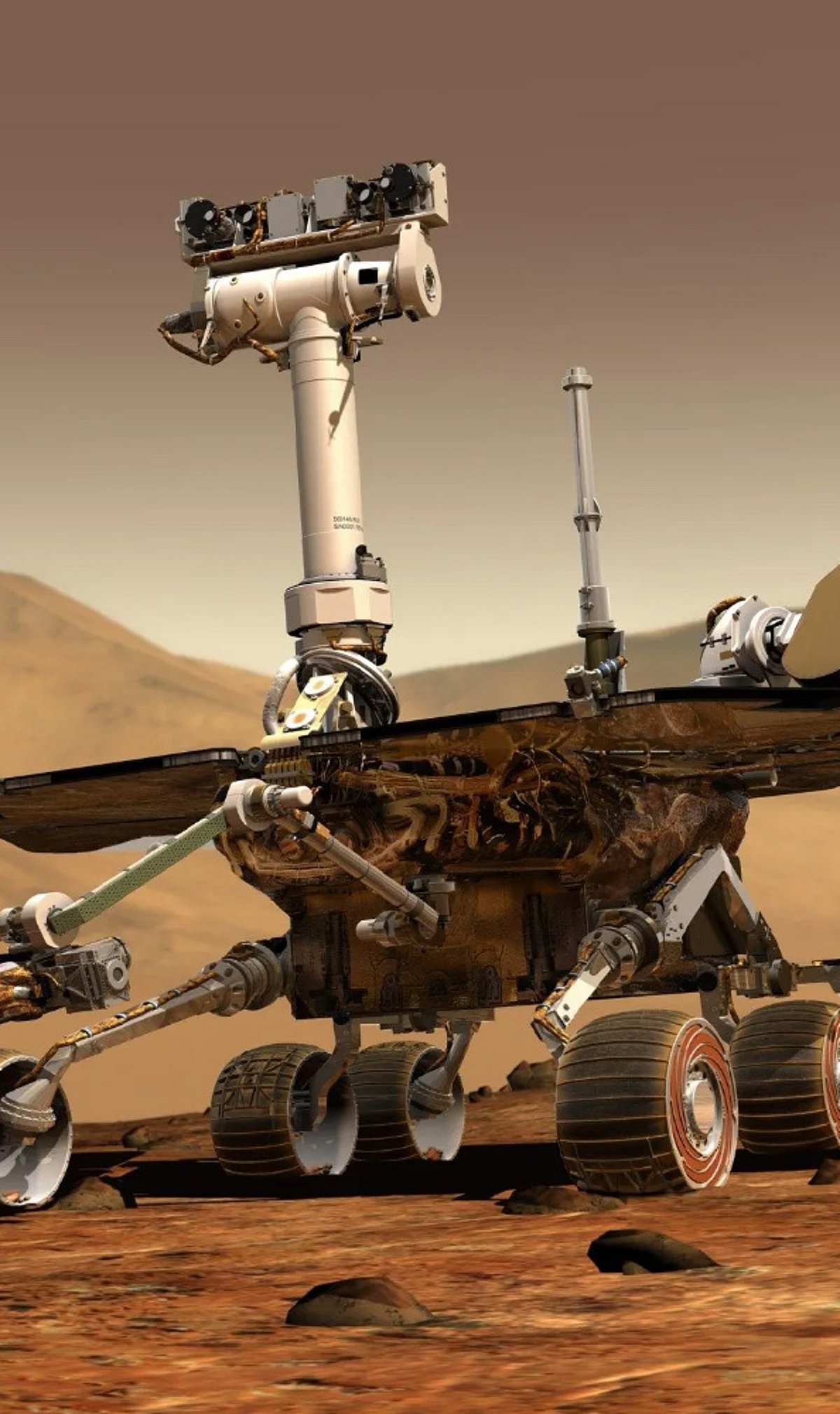
TLDR: AI is transforming Mars exploration by enhancing mission efficiency, safety, and data analysis. It assists in navigation, automates routine tasks, and aids real-time decision-making, paving the way for future human missions. The collaboration between AI and space technology will drive groundbreaking discoveries in our understanding of the universe.
As humanity looks to the stars, the integration of Artificial Intelligence (AI) into space exploration is transforming our approach to missions beyond Earth. One of the most significant frontiers in this endeavor is Mars, where AI technologies are set to play a crucial role in future missions. These advancements not only promise to enhance our understanding of the Red Planet but also improve mission efficiency and safety.
The application of AI in Mars missions encompasses a range of functions from navigation to data analysis. AI systems can process vast amounts of data from Mars rovers and orbiters, allowing scientists to make informed decisions quickly. Such data-driven insights are essential for identifying the most promising locations for exploration and studying the planet's geology and atmosphere.
One notable example of AI in action is the use of machine learning algorithms that help analyze terrain and select optimal routes for rovers. This capability reduces the risk of accidents and increases the chances of successful landings and traversals. Moreover, with the challenges posed by the Martian environment, such as dust storms and unpredictable weather, AI can assist in real-time decision-making, ensuring that missions remain on track.
Furthermore, AI is instrumental in automating routine tasks, freeing up scientists and engineers to focus on more complex challenges. For instance, autonomous systems can handle simple maintenance tasks or monitor equipment health, allowing for more efficient use of resources. This is essential as missions to Mars can last several months or even years, making the longevity and reliability of technology paramount.
Looking to the future, the collaboration between AI and space technology is expected to deepen. As we prepare for human missions to Mars, AI will be critical in developing systems that can support astronauts in various capacities, from managing life support systems to aiding in scientific research. With ongoing advancements in machine learning and robotics, the potential for AI to revolutionize Mars exploration is immense.
In conclusion, the future of space technology is inextricably linked to the evolution of AI. As we continue to push the boundaries of exploration, the synergy between human ingenuity and AI capabilities will undoubtedly pave the way for groundbreaking discoveries on Mars and beyond. The journey to understanding our universe is just beginning, and AI will be at the forefront of this exciting adventure.
Please consider supporting this site, it would mean a lot to us!
